Back Control
Brazilian Jiu Jitsu | Positions
Back Control in BJJ: How to Hold It
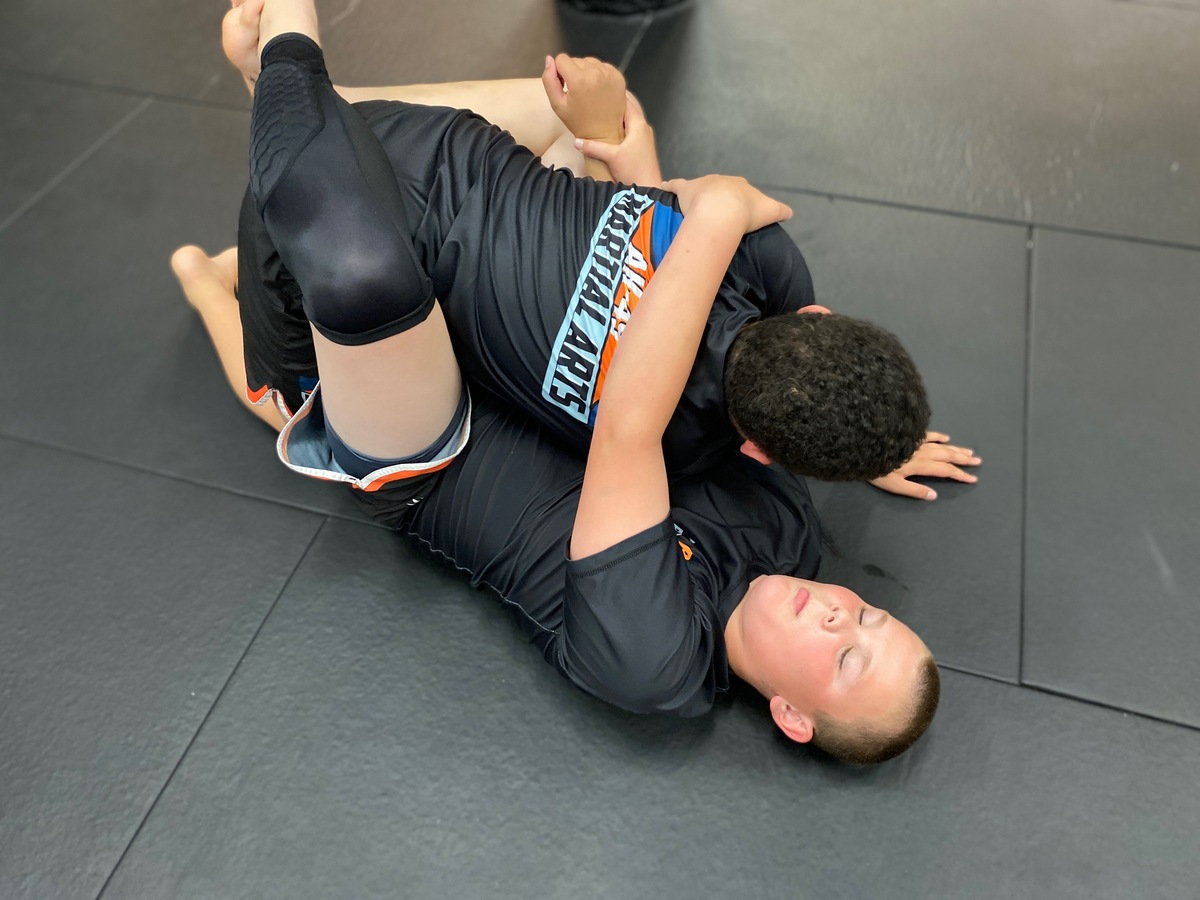
Back control is being behind your partner with your chest on their back, usually with your heels hooked inside their thighs and a seatbelt grip across their chest. Most coaches call it the best position in Jiu Jitsu, because they can barely see you, push off you or attack you. Keep your chest glued to their back and your elbows tight, and keep one hand threatening the neck so they're too busy defending to escape.
How to hold it
- 01
Chest to back
Your chest stays glued to their back with your shoulders lined up behind theirs. This is the part to protect first. Losing a hook is a small problem, but once a gap opens between your chest and their back, they can turn in and they're out.
- 02
Seatbelt grip
One arm goes over their shoulder and the other goes under their opposite armpit, and your hands clasp in front of their chest. The arm over the shoulder is the one that will choke. It should feel like a seatbelt pulled snug across them.
- 03
Elbows tight
Pinch your elbows in against their sides so there's no room between your arms and their body. Your elbows do the controlling, more than your locked hands. Locked hands with loose elbows only feel like control, and they can slip an arm up and over your head.
- 04
Hooks in, feet uncrossed
Put your heels inside their thighs so your legs control their hips. Get the first hook in on the side your chest is heaviest, then the second. If they block or pin a leg to the mat, keep your chest glued and work the hook back in when they move. Keep your hips close behind their tailbone and your knees bent, so they can't push your feet out or pin a leg to the mat. Don't cross your ankles in front of them. Crossed feet give them a simple foot lock, and if they trap them, tap early, because ankle pressure hurts fast.
- 05
Head tight to theirs
Keep your head right next to theirs, ear to ear, with your chin tucked over their shoulder. Your head is one more point of control. The farther your head drifts, the more room they have to turn.
- 06
Diagonal control
Always hold one side of their upper body and the other side of their lower body, like a shoulder and the opposite hip, or a hook and the far wrist. If you're only holding one side, they slide out the other side.
- 07
Keep pressure on the neck
Keep one hand working toward the neck the whole time. When they're worried about getting choked, their hands stay on their neck and they stop trying to escape. Keep tension without squeezing as hard as you can, so you don't burn out holding the spot.
What to do from here
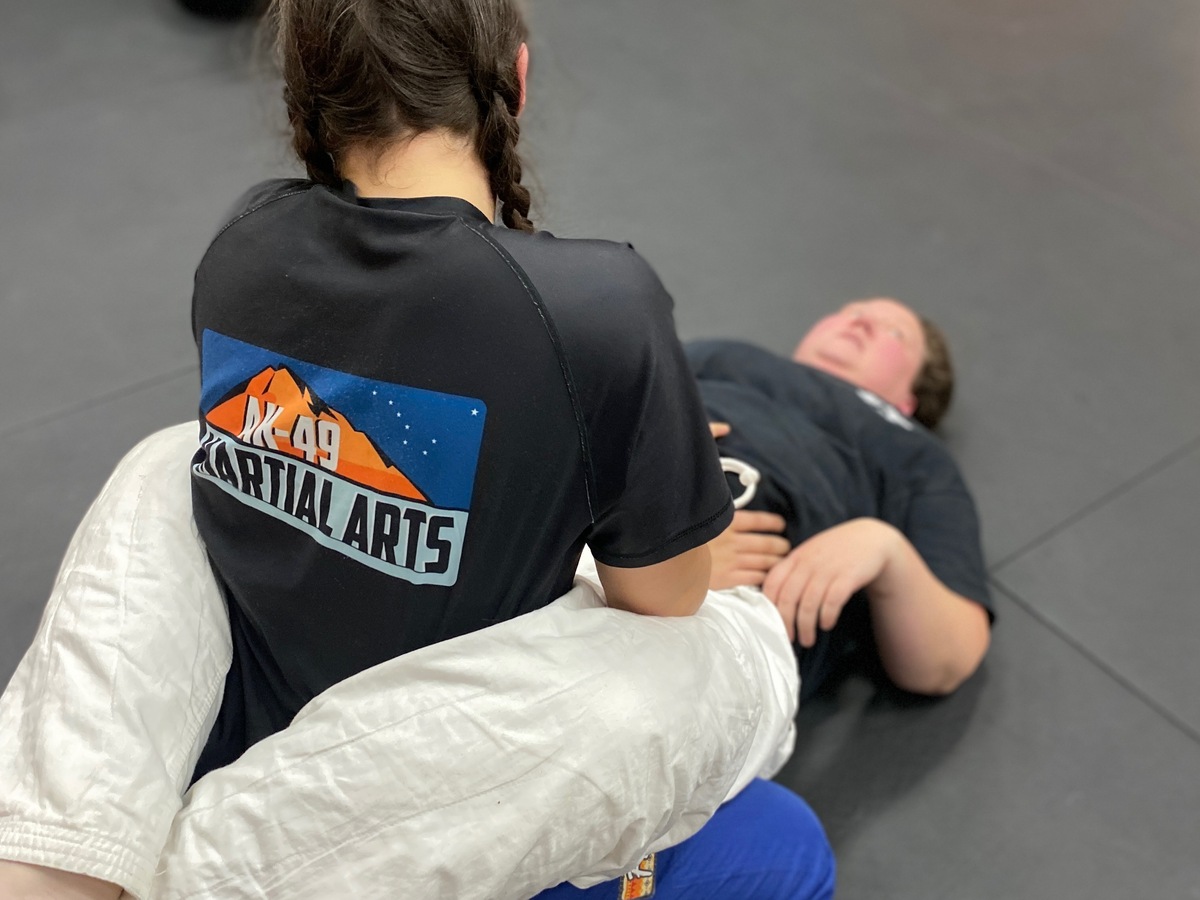
Go to the neck. From the back, the main finish is a choke like the rear naked choke. Keep one hand controlling and slide the other one toward the neck. For the rear naked choke, the choking arm wraps all the way across so the elbow is under their chin, that hand grabs your other bicep, and your other hand goes behind their head. Then you squeeze your elbows together and expand your chest. When they bring both hands up to defend, go back to controlling their wrists and wait for a hand to come off. Strangles usually work better than joint locks from here, because the neck is right in front of you and it's hard to defend with your back turned. Expect them to tuck their chin and fight your hands, so the hand fight decides whether the choke lands. Apply the choke slowly and open both arms the moment they tap. If they go limp or stop answering, open both arms right away, roll them onto their back and get the coach.
When they start to escape. Most escapes start with them sliding their back down to the mat or turning toward you. Follow them with your chest and keep it on their back, and use your seatbelt to pull them back on top of you. If your hooks come out, get your chest back first and the hooks after. If they turn all the way in, go for mount or guard instead of hanging on.
Things to look out for
A gap between your chest and their back
You hold on with your arms but lean back and let space open up between you. They slide down, turn in toward you, and you've lost the back.
The fix: Pull them into your chest with your arms and legs and keep your shoulders lined up behind theirs. It should feel like you're wearing them like a backpack.
Locked hands with loose elbows
Your hands are clasped tight but your elbows are out wide. It feels secure, but they wedge an elbow through, clear your arm over their head and turn out.
The fix: Pinch your elbows in against their sides. Tight elbows hold the back even when your hands come apart.
Crossing your ankles
You cross your feet in front of their stomach to hold on tighter. They cross their legs over your ankles, squeeze, and you either tap to a foot lock or open your legs and lose the position.
The fix: Keep your heels hooked inside their thighs with your feet uncrossed. If your hooks feel loose, pull them back in with your heels, not by crossing.
Both hands chasing the neck
You go all in on the choke with both arms. Now nothing is controlling them, they peel your arm off and slide out.
The fix: Keep one hand on control and one hand on the neck at all times. Only switch when your control hand is ready to take over.
Head drifting away
Your head floats back or out to the side. That gives them space to turn their head and shoulders, and once the head turns, the body follows.
The fix: Keep your head ear to ear with theirs and your chin over their shoulder. Feel your cheek against the side of their head.
Squeezing with everything the whole time
You clamp down as hard as you can for the whole round. You gas out in a minute, start breathing hard, and get loose right when they make their move.
The fix: Hold steady tension and keep breathing. Save your hard effort for when they move or when the choke is there.
Drills you can practice
Drill 01
Seatbelt on a bag
Sit behind a heavy bag or a big pillow propped against the couch. Do 3 rounds of 1 minute with 1 minute rest: seatbelt grip, elbows pinched, chest glued, head on its shoulder. Every 10 seconds, let go and grab it again, checking the same four things each time.
Drill 02
Hooks in, hooks out
Same setup, sitting behind the bag. Do 3 sets of 10: slide both heels in where their thighs would be, then pull them out and put them back. Your feet never cross, and your chest never leaves the bag.
Drill 03
Fall and follow
3 rounds of 1 minute per side. Lie on your back with the bag on top of you, seatbelt and hooks in, then roll onto one side with it and back up to the middle. Keep your chest glued to it and your head next to its head the whole time. In class you'll do positional rounds from the back, one partner holding and one escaping, and that's where the real feel comes from.
Frequently Asked Questions
What is back control in BJJ?+
You're behind your partner with your chest on their back, usually with your heels hooked inside their thighs and a seatbelt grip across their chest. You can do it with them sitting, lying on top of you or on their side. It's the spot where you have the most control and they have the fewest attacks.
Why is the back the best position?+
They can barely see you, push off you or attack you. You can go after the neck from different angles, and they have to keep guessing.
Should you cross your feet on the back?+
No. Crossed ankles give your partner an easy foot lock, and squeezing them makes you open your legs. Keep your heels hooked inside their thighs instead. If your legs are long, some people lock a body triangle around the waist, but start with hooks.
Do I need both hooks in?+
Both hooks are best, but your chest on their back matters more. You can hold the back with one hook while you work the other back in.
What do you attack from the back?+
The neck, mostly with the rear naked choke. Strangles usually work better than joint locks from the back, because the neck is right there. Keep a control hand and a choking hand, and attack when their hands leave their neck. In the gi you can also use collar chokes from here. In No Gi everything is more slippery, so the seatbelt and tight elbows matter even more.
Are You Ready?