Do You Have to Spar
Kickboxing | Starting Out
Do You Have to Spar in Kickboxing
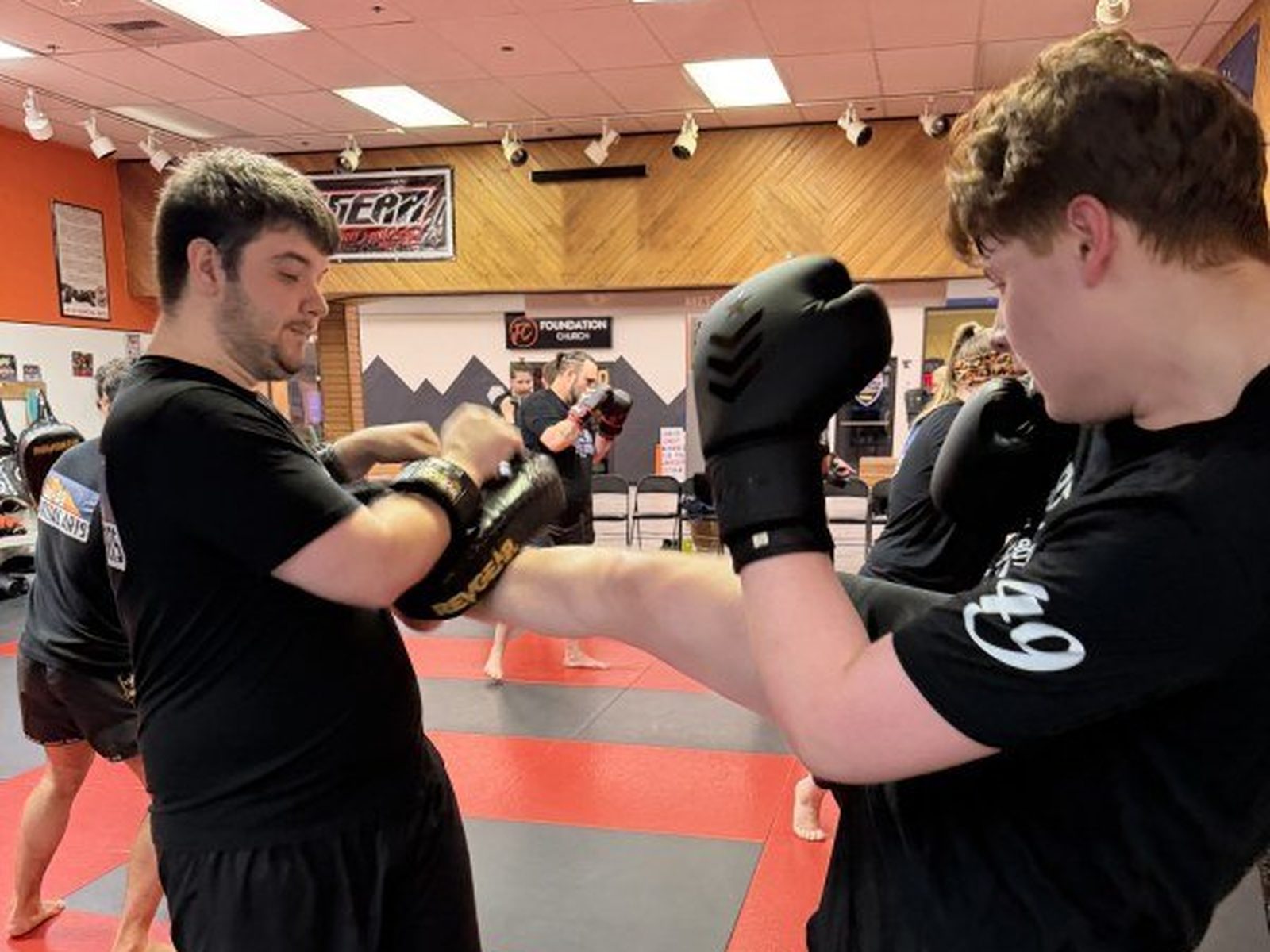
No. At AK-49 Martial Arts sparring is completely optional, and you can learn kickboxing and get in shape with pads, drills and bag work without ever doing it. If you do decide to spar later, it starts light, with 16 ounce gloves, a mouthguard and a partner who keeps it under control.
If you choose to spar
- 01
Get the basics first
Most coaches want you to have a few months of steady training before you spar, and your coach should agree you're ready. By then your stance, your guard and your basic punches and kicks hold up when someone is moving in front of you. Good signs you're getting close: your hands stay up when you're tired, you can block and check at drill speed without closing your eyes, you can control your own power on pads, and you can get through a few hard rounds without falling apart.
- 02
Wear the right gear
New sparrers wear 16 ounce gloves, which have more padding to protect your hands and your partner, and bigger people sometimes go up a size. Wear a mouthguard every time, plus shin guards for kicks, and men should wear a groin cup. For harder rounds, add headgear: put the headgear on, put the 16 ounce gloves on, and protect yourself and your partner.
- 03
Agree on how light
Before the round, agree with your partner how hard you're both going, and stick to it. Light sparring means touching, not trying to hurt anyone. If your partner goes harder than you agreed, say "Can we keep this light?" and a good partner will dial it back right away. Early on, a lot of partners keep head contact to light touches only and leave hard checks out of it.
- 04
Control comes first
Train with control first, and smaller gloves and harder rounds only come later. A partner who can't control their power isn't ready to spar, no matter how good they look on pads. For your first rounds, ask to be paired with someone close to your size, or someone more experienced who keeps it light on purpose. Your coach watches the room and stops a round that gets out of hand.
- 05
Pick one thing to work on
Go in with one goal, like keeping your hands up, using your jab or getting out after you punch. You can't win sparring, so don't try. Expect to spend a lot of your first rounds on defense. A first session is often just two or three short rounds with rest between, and that's plenty.
- 06
You can always stop
You can sit out a round or stop sparring any time, and it's normal to. If you freeze up, step back out of range, put your hands up and reset. If you take a hard shot to the head, stop for the day and tell your coach. Don't spar again until any symptoms are gone and you've been cleared. If you get a headache that won't go away or gets worse, vomiting, confusion or trouble with your balance or vision, get checked by a doctor right away.

What you do instead
Pads and partner drills. Most of class is hitting pads with a partner, then switching and holding for them. The holder can throw a slow punch back after your combination, so you practice bringing your hands up and moving your head without sparring. You also drill short combinations over and over until they feel natural. You get a lot of the timing and distance from this.
The bag and shadowboxing. Bag rounds work your technique and your conditioning, with no partner to worry about. Shadowboxing lets you practice your stance, punches, kicks and defense against a person you picture in front of you. Both are a hard workout on their own.
Things to look out for
Sparring hard too soon
You jump into hard rounds in your first weeks, or in small gloves. You get hit more than you learn, your form falls apart, and sparring starts to feel like something to dread.
The fix: Start in 16 ounce gloves at light pace with a partner close to your size who has control. Build up slowly over months.
Treating it like a fight
You try to win the round and throw everything as hard as you can. Your partner matches you, it turns into a brawl, and nobody learns anything.
The fix: Go in with one thing to work on and agree on the pace before the bell. Sparring is practice.
Skipping the mouthguard
It's a light round, so you leave it in your bag. Light rounds still have accidental bumps and clashes, and that's what the mouthguard is there for.
The fix: Wear a mouthguard every time you spar, no matter how light. Dentists recommend one for boxing and martial arts.
Going bare shin before you've built up
You kick or check without shin guards before your shins are used to contact. Shin on shin contact hurts if you skip the build up.
The fix: Drill kicks on pads and wear shin guards in sparring. Let your shins get used to contact over time.
Staying quiet when it's too hard
Your partner goes harder than you want, and you don't say anything because you don't want to look scared. The round gets harder, and you start to dread sparring.
The fix: Say "Can we keep this light?" or step out and tell your coach. Asking is normal, and a good partner respects it right away.
Freezing up
Someone throws at you and you stop moving, turn your head away or close your eyes. You can't see what's coming and you can't hit back.
The fix: Keep your eyes on your partner's chest and your hands at your face. If you freeze, step back out of range, reset your stance and go again.
Frequently Asked Questions
Do you have to spar in kickboxing?+
Not at AK-49 Martial Arts. Sparring is completely optional, and nobody is pushed. Most students end up wanting to try it after a while, but you can train for as long as you want without ever doing it.
When can a beginner start sparring?+
Most coaches want a few months of steady training first, and your coach should agree you're ready. You need a solid stance, a guard that stays up and control of your own punches and kicks. When you do start, it's light, with an experienced partner.
What gloves do you spar in?+
New sparrers wear 16 ounce gloves, which protect your hands and your partner. Harder rounds add headgear. Add a mouthguard and shin guards every time.
What is light sparring?+
Light sparring is moving and trading techniques at low power. You touch each other lightly, and nobody is trying to hurt anyone. It lets you practice timing, distance and defense against a real person while you're both still learning.
Do kids have to spar?+
No. Sparring is optional in Kids Kickboxing too. Kids who spar wear full sparring gear, and depending on age, some kids have contact to the head at the level the coach sets. Kids learn the fundamentals first, and coaches pair them carefully.
Are You Ready?