
Kickboxing Conditioning Basics
Kickboxing | Conditioning
Kickboxing Conditioning Basics
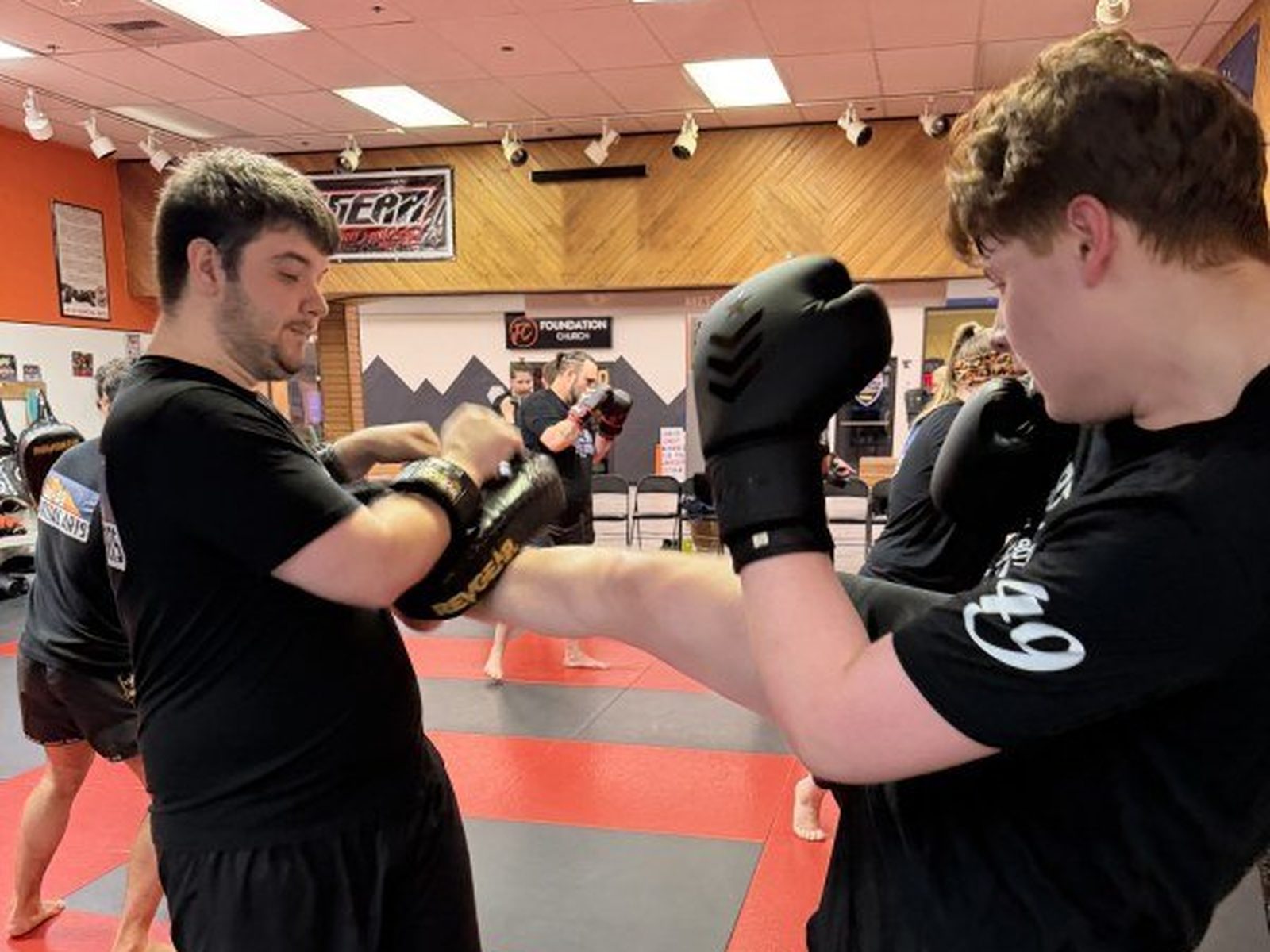
Kickboxing conditioning trains you to throw hard bursts, recover in a few seconds and do it again for round after round. Coaches build it with timed rounds of shadow boxing, bag and pad work, plus strength work for the shoulders and legs. The goal is to stay sharp when you're tired: hands up, elbows in, good athletic base, every punch from the face and back to the face.
How to build it
- 01
Train in rounds
Most kickboxing rounds are three minutes, though rules vary, so a lot of your conditioning should be three minutes on and about one minute off. If you're brand new, start with two minute rounds and build up. Training in rounds teaches your body to push, recover in the break and push again.
- 02
Use rounds that build skill
Shadow boxing, the heavy bag and pad work get you fit while you practice the real movements. Conditioning carries over best when it uses the same muscles and movements you fight with. Every round is a chance to work your stance and guard, so you're getting fitter and better at the same time.
- 03
Mix flow and power
Make one round light and fast with a lot of punches, and the next one slower, hard power shots with full rest between combinations. Flow rounds build the engine to keep throwing, at a pace where you can still say a few words. On hard rounds you can only get out a word or two. Power rounds build the hard burst, and switching between them is what a real round feels like.
- 04
Build an easy base too
Easy steady cardio, like a brisk walk, an easy bike or a light jog where you can still talk, builds the base that helps you recover between rounds. It's easy on the body, so it doesn't steal energy from class. Hard rounds sit on top of that base.
- 05
Build your shoulders
Holding your hands up for a whole round is hard on the shoulders, and tired shoulders are why hands drop. Light shoulder work like punching burnouts helps. Once your form is solid, some coaches add very light dumbbells for short sets, but skip them if your shoulder or elbow complains. Strong shoulders keep your guard where it belongs late in the round.
- 06
Strengthen your legs
Squats, single leg work and trap bar deadlifts help you push off for punches, brace when you get kicked and protect your knees. US guidelines say adults should do muscle strengthening on at least two days a week. Two short strength sessions next to your classes cover it.
What the research says
Kickboxing is stop and start. Studies of kickboxing fights describe them as stop and start and very hard on the body, with bursts of hard work and short pauses. In real fights, kickboxers spend more time near their max heart rate than at any easier level. That's why steady jogging alone doesn't feel like a round, and why coaches train in hard intervals with short rests.
How much a week. US guidelines say adults need 150 to 300 minutes of moderate activity a week, or 75 to 150 of vigorous, plus muscle strengthening on at least two days. Two or three kickboxing classes plus two short strength sessions gets most beginners there. Hard rounds wear you out more than easy cardio, so leave a day or two to recover between the toughest sessions.
Things to look out for
Letting your technique fall apart when tired
Late in the round your hands drop, your punches loop and you stop coming back to your stance. You're practicing sloppy habits, and in sparring that's exactly when you get hit.
The fix: Push the pace, but keep the basics clean. When you're tired, throw less and keep the hands up, elbows in, and every punch back to the face.
Holding your breath
You tense up and stop breathing during combinations. You run out of air halfway through the round and your punches get stiff and slow.
The fix: Breathe normally and keep it steady the whole round, and let a breath out on your power shots. Relax your shoulders between punches and only tighten up as they land.
Going all out every round
You sprint the first round like it's the last and have nothing left. Every session turns into the same exhausted grind, and you stop getting better.
The fix: Pace it. Mix flow rounds and power rounds, and set a pace you can hold so your last round is as clean as your first.
Only one kind of cardio
Some people only jog long distances, others only do hard intervals. Long jogs alone don't prepare you for stop and start rounds, and only hard intervals with no easy base leaves you beat up and slow to recover.
The fix: Use both. Do most of your hard conditioning as rounds on the bag, pads and shadow boxing, and add easy steady cardio on other days for your base.
Skipping strength work
Your shoulders give out and your hands drop, your legs get heavy and you stop moving your feet. Fitness without strength fades fast in a round.
The fix: Two short strength sessions a week for your legs and shoulders. Keep them simple: squats, single leg work and shoulder burnouts.
No recovery
Hard rounds every day leave you sore and flat, and the quality of your training goes down. Beginners pile up fatigue faster than they expect.
The fix: Two or three hard sessions a week is plenty to start. Sleep, eat and keep the easy days easy. If you feel dizzy, sick, chest pain or a sharp joint pain, stop and tell your coach. If you're pregnant, have a heart condition or are coming back from an injury, check with your doctor first.
Drills you can practice
Drill 01
Flow and power rounds
Start with 3 rounds of 2 minutes and add a round every week or two until you reach 6 rounds of 3 minutes with 1 minute rest, on the bag or shadow boxing. Odd rounds are flow: light, fast punches and kicks, lots of output, never stopping. Even rounds are power: hard single shots and short combinations, reset your stance between each. Hands up, elbows in and back to the face on every punch, even in round six.
Drill 02
Shoulder burnouts
3 sets with 1 minute rest between. In your stance, punch fast for 30 seconds straight out, then 30 seconds angled up at 45 degrees, with no stopping. Brand new? Start with 15 to 20 seconds each and build up. Keep your elbows soft, don't snap the arm straight, and keep breathing steady. Stop the set if your shoulder pinches. Light dumbbells can come later, once this is easy and your form stays clean.
Drill 03
Leg strength circuit
3 rounds with 1 to 2 minutes rest. 10 bodyweight squats, 8 split squats on each leg, then 20 seconds of light bouncing in your stance. Go slow on the squats with your knees tracking over your toes. Twice a week on days you're not doing hard rounds.
Frequently Asked Questions
How do kickboxers build conditioning?+
Timed rounds of shadow boxing, bag and pad work, mixing fast flow rounds with hard power rounds. They add strength work for the shoulders and legs, and some easy steady cardio for a base. Most of it uses the same movements they fight with.
How long are kickboxing rounds?+
Usually three minutes with one minute rest, though some rules and amateur events use shorter rounds. If you're new, start with two minute rounds and work up. MMA usually uses five minute rounds.
Should I run for kickboxing?+
Easy running helps build your base, and it's fine if you like it. It doesn't replace rounds, though, because a fight is stop and start. If you're not training to fight, one coach would rather you spend that time on the bag, where you build skill too.
Why do I get so tired in kickboxing class?+
Kickboxing is hard bursts with short breaks, and it pushes your heart rate close to max. Beginners also tense up and hold their breath. Keep breathing steady, relax between combinations and pace yourself, and it gets easier within a few weeks.
How much exercise do adults need a week?+
US guidelines say 150 to 300 minutes of moderate activity, or 75 to 150 minutes of vigorous activity, plus muscle strengthening on at least two days. Two or three classes plus two short strength sessions gets most people there.
Are You Ready?