
Switching Stance
Kickboxing | Footwork
How to Switch Stance in Kickboxing
Switching stance means trading which foot is in front, from orthodox (left foot forward) to southpaw (right foot forward) or back, while staying in a full fighting stance with your hands up. You can switch by stepping your back foot forward or your front foot back, and you land the same balanced stance on the other side. Fighters use it to cover distance, change angles and hide what's coming, but get solid in one stance before you start switching.
- 01
Good athletic base
Feet about shoulder width apart, front foot ahead with the toes pointing forward, knees a little bent and your weight in the middle. Whichever foot is in front, the base is the same. If your stance isn't solid on your main side yet, stay there for now; switching only works when there's a good stance to switch into.
- 02
Hands up, elbows in
Both fists sit up by your cheeks with your chin tucked a little, and your elbows stay in close to your ribs. Your hands stay up at your face while your feet switch. For a moment your feet are moving and you're not set, so that's exactly when your guard matters most.
- 03
Switch stepping forward
Step your back foot forward so it becomes your new front foot, keeping it on its own side so your feet don't cross or end up in a line. Push off a little with the front foot as the back foot moves through, and let your weight settle back in the middle as it lands. Turn on the ball of the other foot as you go so your knee turns with your hips, and point your new lead shoulder at the other person as the foot lands. This covers a lot of ground in one move, so it's a way to close distance.
- 04
Switch stepping back
Step your front foot back so it becomes your new back foot, again keeping the space between your feet. Shift your weight onto your back foot and keep the front foot low to the floor as it slides back, so you're only on one leg for a moment. Turn on the ball of the standing foot as it lands, same as before. This takes you away from the other person and is useful when they're coming forward.
- 05
Keep your shoulders loaded
Turn your shoulders and hips just enough to face the new way, not past it. Your head stays up and your eyes stay on the other person the whole time. Turning too far, or turning your head away, leaves you square and easy to hit.
- 06
Try the switch cross
Jab, bring the jab back, and switch your feet. That same hand is now your rear hand, so throw it straight as a cross once your feet are set and balanced. When that feels solid, work toward landing the cross as the switching foot lands. You're not set for a moment while your feet move, so switch behind your jab or from just outside their reach, and change up when you do it so it isn't a pattern they can time.
- 07
Back to your stance
Every switch lands you in a full stance on the other side: heels off a line, front toes forward, weight in the middle and hands on your face. Check it after each switch until it's automatic. Then you can switch back the same way.
When to use it
To close distance or get out. Stepping your back foot forward into the other stance covers a lot of ground in one quick move, so it gets you in range to punch or kick. Stepping your front foot back into the other stance takes you out of range. When someone is coming forward at you, switching as you move back can help keep them from cutting you off.
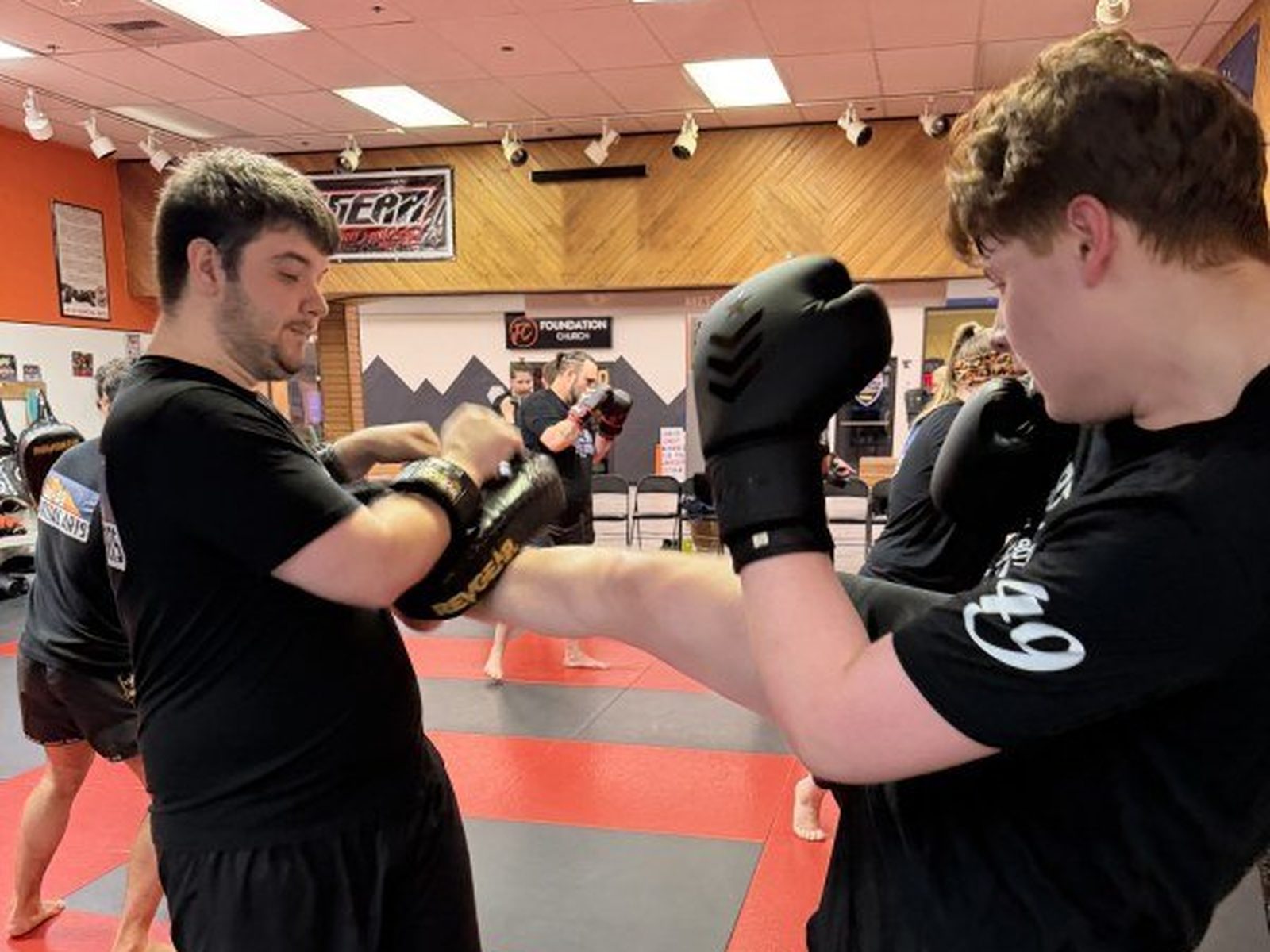
To change angles. Switching while you step lets you come at the other person from a new angle and throw from your other side. In kickboxing the most common reason to switch is the switch kick, a round kick with the leg that started in front. Because people expect that kick when your feet switch, a punch off the switch can catch them too. Save this for later in your training, once one stance feels natural.
Things to look out for
Switching too soon
You start switching stances in your first weeks, before one side feels solid. Both stances end up shaky, and you're never sure which foot should be in front.
The fix: Stick with one stance until it's automatic. Your coach will tell you when it's time to add the other side. When you start, practice the other stance in shadow boxing first, slowly.
Dropping your hands
Your hands come down while you're thinking about your feet. That's the moment you're least set, so it's the worst time to have an open chin.
The fix: Keep both fists touching your cheeks through every switch. Practice in front of a mirror and watch your hands, not your feet. If they drop, slow the switch down until they don't.
Turning your head or shoulders away
You swing your shoulders all the way around or turn your head to look where your feet are going. You end up square and facing away, easy to hit and slow to strike back.
The fix: Turn just enough to face the new way, and keep your eyes on the other person the whole time. Think of turning your stance under you while your eyes stay on them.
Landing with your heels in a line
Your new front foot lands straight in front of the back one, like you're on a tightrope. You wobble, and a push or a kick knocks you off balance.
The fix: Land with the same space between your feet you had before the switch. Check it after every switch: a ball should be able to roll between your feet.
Getting stuck in the middle
You switch slowly, stopping halfway with both feet side by side. For that moment you're square, flat and not ready to do anything.
The fix: Make the switch one quick move from stance to stance. Speed it up only once it feels smooth slowly. If you get stuck, practice the step on its own until the landing feels automatic. Your feet are moving for a moment, so switch out of kicking range or behind a punch, not right in front of a kicker.
Pausing between the switch and the punch
Once you add punches, you switch, stop, then throw. The pause tells them something's coming and gives them time to get ready.
The fix: Once you're past the beginner stage, land the punch as the switching foot lands. Start slow and smooth, then close the gap until the foot and the punch land together.
Leaning
You lean forward or back to get your feet around. Your head ends up out past your feet, off balance and easy to hit.
The fix: Keep your head over your hips through the whole switch. Let your feet do the moving and keep your upper body quiet.
What to Practice at Home
Drill 01
Switch in place
3 rounds of 2 minutes with 1 minute rest, in front of a mirror if you have one. Round one, slow switches: step the front foot back into the other stance, check your stance, then step back the other way. Round two, the same, a little faster, with your hands on your face the whole time. Round three, switch, then throw a jab from the new stance.
Drill 02
Switch across the room
3 rounds of 2 minutes with 1 minute rest. Move across the room by stepping your back foot forward into the other stance, then again into the first stance, keeping your hands up. Come back across by stepping your front foot back the same way. Every few switches, stop and check your stance is full size: could you throw a kick right now without adjusting your feet? If not, your weight isn't in the middle yet. In class, once this is smooth, you'll add it to pad work with a partner.
Drill 03
Switch cross shadow boxing
3 rounds of 2 minutes with 1 minute rest. Jab, bring the jab back, switch your feet, and throw that same hand as a cross from the new stance. Round one, slow, with a pause after the switch to check your stance. Round two, smooth with no pause. Round three, try to land the cross as the switching foot lands.
Frequently Asked Questions
Should beginners switch stance?+
Get one stance solid first. New students learn on one side, and switching comes later once that stance feels natural. Your coach will tell you when it's time to start working the other side.
Why do fighters switch stance?+
To cover distance, change angles and hide what's coming. A switch can get you in range in one step or take you out of range when someone's coming forward. Since people expect a kick when your feet switch, it can also set up a punch.
How do you switch stance?+
Either step your back foot forward so it lands ahead of your front foot, or step your front foot back so it lands behind your back foot. Either way the moving foot stays on its own side, so your feet don't cross. Turn your body as the foot lands so you end up in a full stance on the other side. Keep your hands up and your eyes on the other person the whole time.
What is a switch cross?+
Jab, bring it back, switch your feet, and throw that same hand straight as your new rear hand. It turns your jab hand into a power hand in one move. Learn it slowly first, then work on landing the punch as the switching foot lands.
Do I need to be good in both stances?+
Not to start. Your main stance comes first, and that's where you'll spend most of your time early on. Learning the other side later gives you more angles and more ways to move.
Are You Ready?