
Defending the Teep
Muay Thai | Defense
How to Defend the Teep in Muay Thai
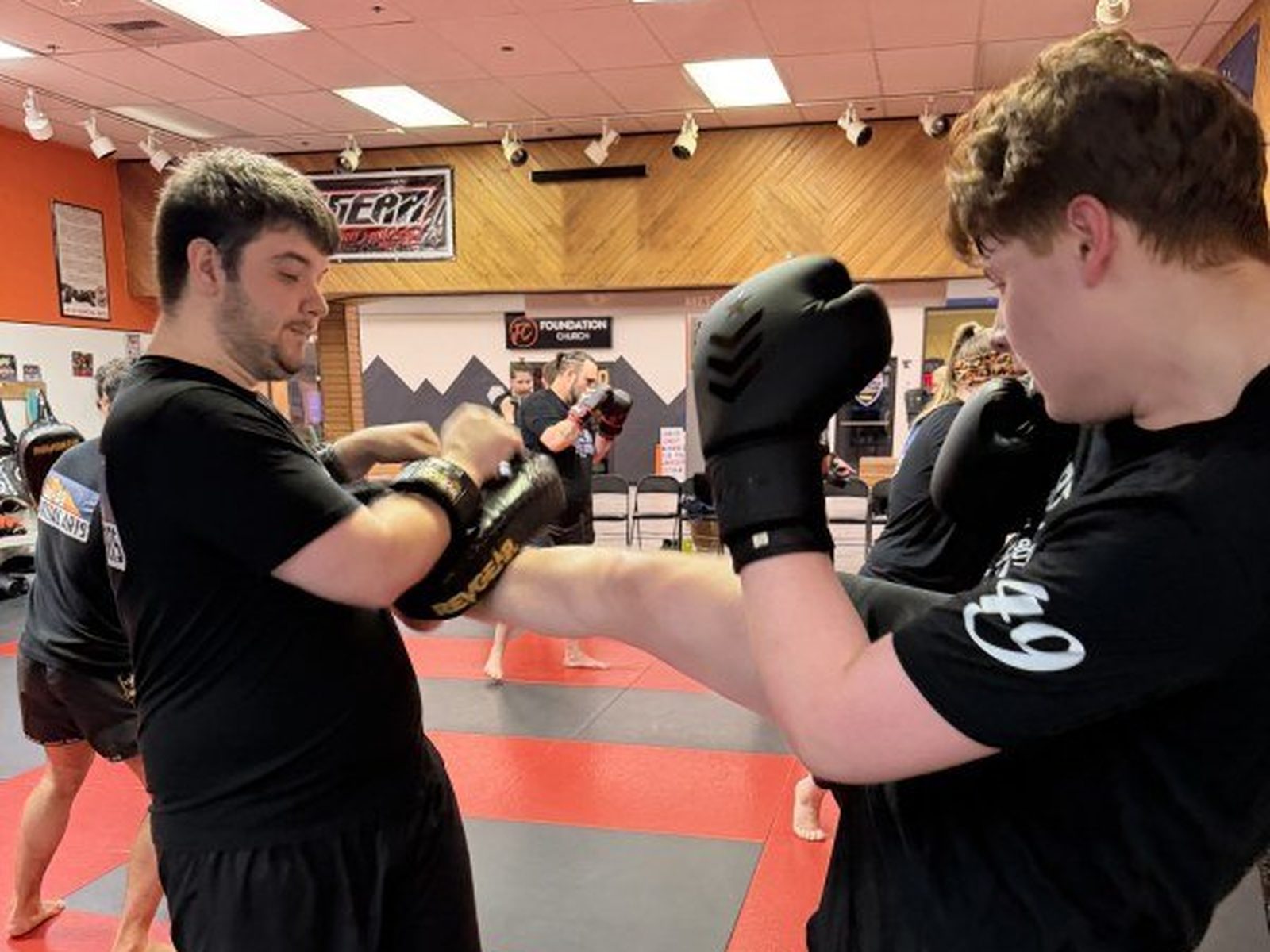
You defend the teep by parrying it to the outside with your front hand, stepping back so it falls short, or catching it once you're more comfortable. Stay in a good athletic base with your hands up and elbows in, keep one hand on your chin while the other one works, and counter right away. Then get back to your stance.
How to defend it
- 01
Good athletic base
Feet about shoulder width apart, knees soft, weight in the middle. From here you can take a quick half step back or press forward without falling off balance. If you're stiff legged or flat footed, the teep pushes you straight back onto your heels.
- 02
Hands up, elbows in
Both fists at your face, chin tucked, elbows in to cover your stomach. Whatever your front hand does to the kick, your back hand stays on your chin. A kicker can show you a low teep and then kick high, so don't bring both hands down. A teep at your face gets covered by your guard or brushed higher with the same front hand, and most beginner drills start with the teep to the stomach.
- 03
Eyes up
Keep your eyes on their chest and hips instead of staring at the foot. The hip moving forward tells you the teep is coming before the foot gets there. If you lock onto the foot, you react late and they can fake you easily.
- 04
Parry it outside
Use your front hand to brush the leg across, a short sweep with the forearm or glove, not a big swing. Sweep the foot across in front of their own body, toward their other leg. That twists their hips so their back starts to turn toward you, whichever leg they kicked with and whichever way they stand. Pushing it outside turns them away from you, so their back side faces you and they can't punch you right away. Then step in and punch, or kick the leg they land on.
- 05
Step back and make it miss
When the teep is coming and you're not ready to parry, take a half step back with your back foot and let the front foot follow, so your stance stays the same size and the teep falls just short. Move your feet rather than leaning your upper body back, which is how a teep knocks you off balance. Watch where their kicking foot lands in front of them, then step in and kick that front leg or come in with your hands. Their weight just dropped onto it, so they can't lift it to check in time.
- 06
Catch it, later on
Once you're comfortable taking teeps, you can press forward into the kick and trap the foot against your body, or catch the heel as the leg reaches full length. Don't reach out for it early, inside their range, because they can teep straight through your hands. Holding a caught leg also gives them a chance to hop in or sweep you, so in partner drills let go of it unless your coach says otherwise.
- 07
Back to your stance
After every defense, get your feet back under you and both hands back to your face. Counter right away or reset, but don't stand there admiring the parry. Keep breathing steady.
When to use it
When they keep pushing you away. Some people teep every time you step forward, so you never get close enough to punch. Instead of walking into it again, parry the next teep outside and step in behind it with a jab and cross. Once they see you can get past it, they stop relying on it so much.
When it comes as you step in. If you step forward and see their knee come up, a half step back lets the teep fall short. Their foot lands in front of them, close to you, and their weight is on it. That's the moment for a low kick to that planted leg, or punches if you're close enough.
Things to look out for
Scooping low with both hands
You drop both hands down to sweep the teep away. Your face is wide open, and a kicker who looked low can kick you in the head.
The fix: One hand works, the other stays glued to your chin. Shadow box your parries in a mirror and check the back hand on every one.
Parrying with the back hand
Your back hand reaches across to knock the kick away. Now that side of your head is open to their punch on the same side, and you're turned square.
The fix: Parry with the front hand, whichever leg they kick with. Keep the back hand on your chin the whole time.
Staring at the foot
You lock your eyes on their foot and wait for it. You react late, they can fake you easily, and you miss everything else they're doing.
The fix: Look at the chest and hips. Let the parry happen without overthinking which way it goes, and if it goes inside instead of outside, keep going and attack from there.
Reaching out early
You stretch your arm out to meet the kick before it gets to you. The teep blasts through your hand, or they pull the foot back and you've dropped your guard for nothing.
The fix: Let the kick come to you. Parry it close to your body or catch it at the end of its reach, not halfway.
Backing straight up every time
Every teep sends you straight back in a line. They keep teeping, you keep backing up, and soon you're against the wall with nowhere to go.
The fix: Mix it up. Parry some, step back on some, and step off at an angle on others so you're not on the line their foot travels. Lifting your knee into a check also stops a teep aimed at your stomach or legs.
Not countering
You defend the kick, then just stand there. They reset and teep again, and you've done the hard part for nothing.
The fix: Aim to end every defense with an attack. Parry and punch, step back and low kick. Keep it simple, but throw something back.
Holding your breath
You tense up and hold your breath as the kick comes. When a teep lands on a held breath it knocks the wind out of you.
The fix: If a teep is going to land, tighten your stomach, turn a little so it doesn't hit you square, let a breath out, and keep your shoulders over your hips instead of leaning back. It gets easier the more teeps you take in partner drills.
What to Practice at Home
Drill 01
Mirror parries
3 rounds of 2 minutes with 1 minute rest, in front of a mirror if you have one. Picture a teep coming at your stomach, sweep it outside with your front hand in a short arc, then step in with a jab and cross. Round one, slow, checking that the back hand stays on your chin. Round two, faster. Round three, from your other stance.
Drill 02
Step back and counter
3 rounds of 2 minutes with 1 minute rest. Take a half step back with your back foot as if a teep is coming, land in your stance, then step forward with a low kick or a jab and cross. Keep your stance the same size on the way back and the way in. Keep your breathing steady the whole round.
Drill 03
Mix the defenses
3 rounds of 2 minutes with 1 minute rest, shadow boxing. Change the defense every time: parry outside then punch, step back then low kick, parry inside then hook. Don't do the same one twice in a row. End every one back in your stance with your hands up.
Frequently Asked Questions
How do you defend a teep?+
Parry it to the outside with your front hand, step back so it falls short, or catch it. Then counter right away. Beginners usually start with the parry and the step back, and add the catch later.
Which hand do you parry a teep with?+
Your front hand, whichever leg they kick with. A back hand parry leaves that side of your head open to their punch. Coaches teach this a few ways, but they all agree the other hand stays on your chin.
What is the dead side?+
It's the side you end up on when you sweep their leg across their body and turn them away from you. Their back side faces you and their hands point away, so they can't punch you right away. It gives you a free moment to attack.
Should I catch the teep?+
Later, once you're used to taking teeps. You either press forward and trap the foot against your body, or catch the heel as the leg reaches full length. Don't reach out for it early, and in partner drills let go of a caught leg unless your coach says otherwise.
How do I get used to getting teeped?+
In class you trade light teeps to the stomach with a partner, one for one, keeping your stomach firm and your breathing steady. It's a little shocking the first few times and then it isn't. Keep your stomach firm and your hands up, start slow with light pushes, and wear a cup, since a teep that slides low can catch the groin.
Are You Ready?