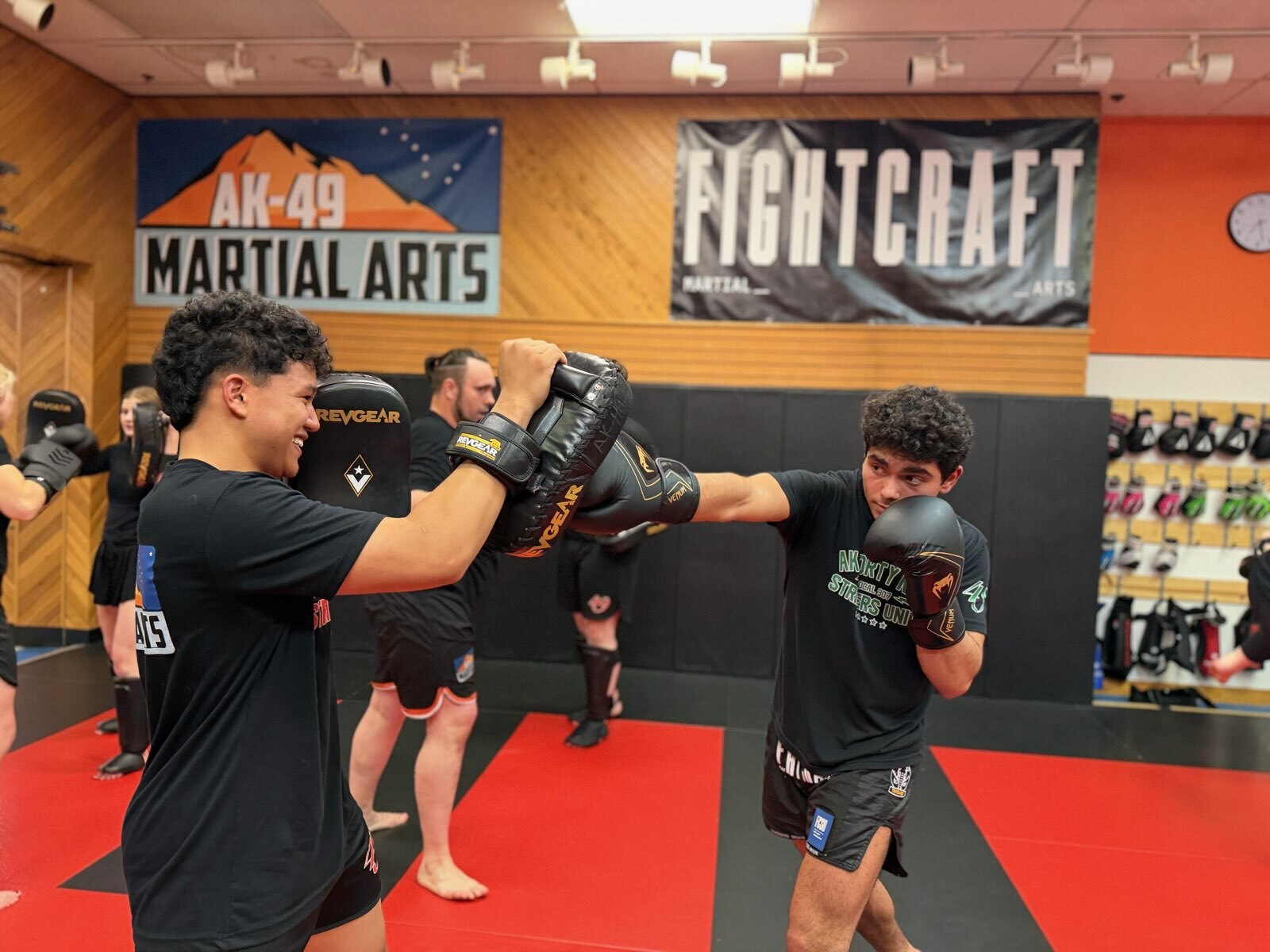
Am I Too Old for Boxing
Boxing | Questions
Am I Too Old to Start Boxing?
Almost always no. Adults start learning boxing skills in their 30s, 40s, 50s and later, and how you train matters a lot more than the number. Warm up well, ease in at two or three classes a week, and remember sparring is optional, so you can learn the punches, the footwork and the pad work at your own pace.
If you have a health condition, check with your doctor before you start. That's good advice for any new kind of exercise. If you ever feel chest pain, dizzy or faint in class, stop and tell the coach.
How to start later
- 01
Tell your coach about old injuries
Bad knees, a sore shoulder, a back that locks up: say so before class starts. The coach can change a drill or show you another way to do it. Nobody can work around something they don't know about. If you have high blood pressure, a heart condition, low bone density, joint replacements, or take blood thinners, check with your doctor before you start. With bad knees or hips, the coach can shorten your stance, cut out the bouncing and keep footwork small.
- 02
Warm up every time
Get to class a few minutes early and move for 5 to 10 minutes, a little longer on cold Alaska days. Easy shadow boxing, arm circles, hip circles and a little bouncing in place get the blood going and loosen your joints. Your shoulders and knees take longer to warm up than they did at 25, and a cold shoulder doesn't like throwing hard punches.
- 03
Ease in
Two or three classes a week is plenty to start, with a rest day between them. Try not to train two days in a row while you're still sore from the first one. Once the soreness stops knocking you flat, you can add more.
- 04
Learn the basics before you go hard
Your stance, your guard, and the jab and cross come first, the same as for anyone. Go slow until the form is clean: good athletic base, hands up, elbows in, punch from the face and back to the face, breathing steady the whole time so you don't hold your breath while you strain. Wrap your hands and wear well fitting gloves on the bag, because older wrists and knuckles take longer to heal if you tweak them. Speed and power come after that, and they come easier on a body that's moving right.
- 05
Take recovery seriously
Recovery takes longer than it used to. Stretch when class ends, aim for 7 to 9 hours of sleep, drink water and eat enough protein to train on. Rest days are when your body catches up with the work you did.
What helps older beginners
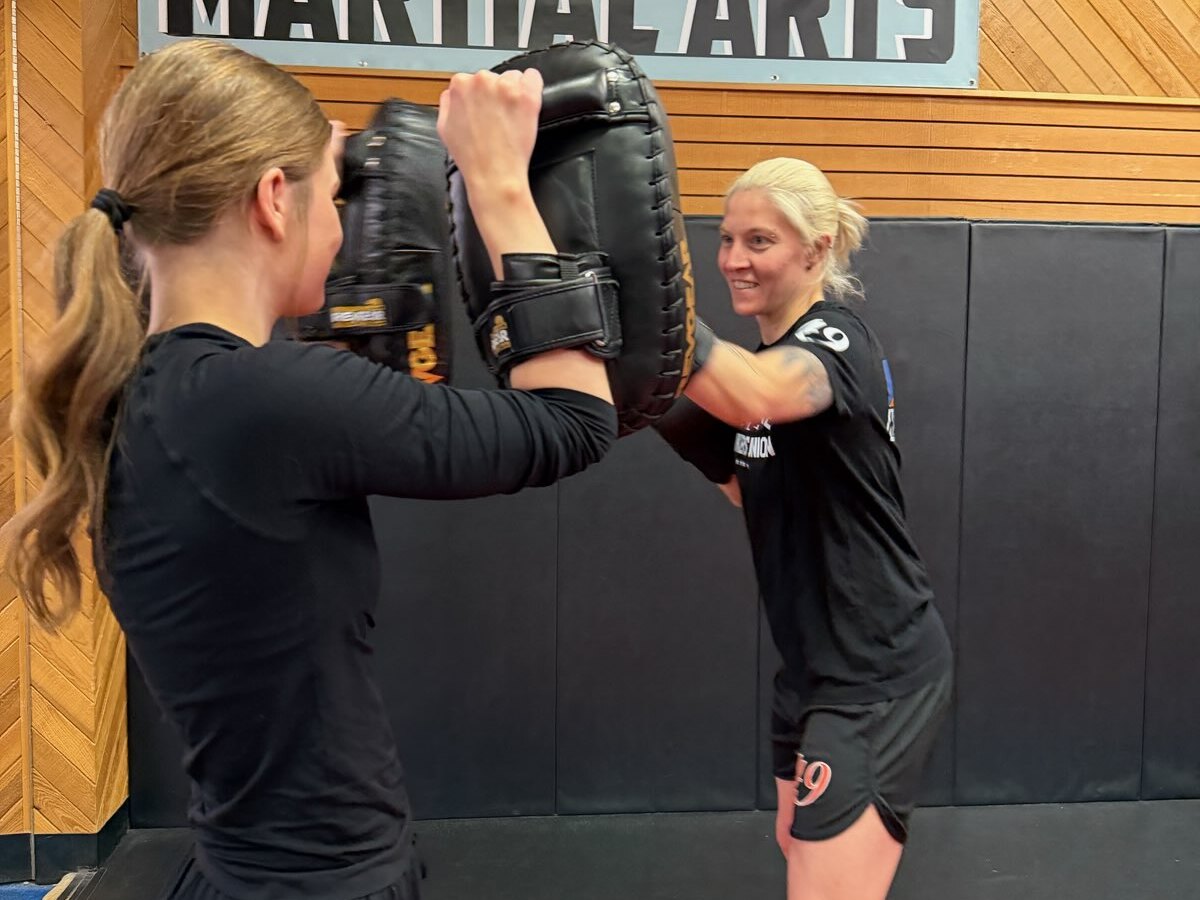
Sparring is optional. You can learn everything on the pads and the bag, and nobody is pushed into sparring. Plenty of people train for years and never do it. If you decide to try it one day, it starts light and controlled with a patient partner. Light, technical drilling is what makes you better, at any age. Your head matters more as you get older, which is one reason many older members stick to pads and drills. Any knock to the head means stop for the day, tell the coach, and see a doctor if you get a headache, vomiting, confusion or symptoms that get worse.
Footwork keeps you balanced. Boxing footwork is balance work: weight on the balls of your feet, small steps, feet not crossed, not too close and not too wide. Health guidelines tell older adults to add balance training to their week, and you get it every round you spend moving in your stance. Your legs get stronger at the same time, because they carry you in and out of every drill.
Things to look out for
Trying to keep up with younger members
You match the 22 year old next to you punch for punch on your first night. You go home wrecked, stay sore for days, and miss the next two classes.
The fix: Train against the person you were last month. Work at a pace you can hold for the whole class, and let your own progress be the measure.
Skipping the warm up
You walk in from the car and start throwing hard punches. Cold shoulders, elbows and knees take the strain, and small aches turn into reasons to stop showing up.
The fix: Give yourself five to ten minutes of easy movement before class: shadow boxing, arm and hip circles, light bouncing. You should feel warm and loose before the first hard round.
Training every day at the start
You're excited, so you come in every day the first week. The soreness stacks up, your form gets sloppy, and you burn out fast.
The fix: Start at two or three classes a week with a rest day between them. Add more once you're bouncing back between sessions.
Expecting your old self back right away
If you trained when you were younger, you expect the old speed and wind to come right back. Cardio is the first thing to go and the slowest to come back, so pushing at your old pace leaves you hurt or discouraged.
The fix: Treat the first few weeks like a true beginner. Skill comes back faster than cardio, so build the conditioning up a little at a time.
Hiding an injury
You don't mention the bad knee or shoulder and push through a drill that makes it worse. Then you're out for weeks instead of one class.
The fix: Tell the coach before class, and again any time it flares up. There's almost always another way to do the drill.
Waiting to get in shape first
You put it off until you've lost some weight or got your cardio back. Months go by and you never start.
The fix: You don't have to be in shape to start. A few weeks of training is what gets you there. Take a break when you need one, grab some water and jump back in.
Frequently Asked Questions
Is 40 too old to start boxing?+
No. Lots of people start in their 40s, and at 40 you usually know exactly why you're there. Warm up well, start at two or three classes a week, and learn the basics before you worry about going hard. Tell your coach about any old injuries on day one.
Is 50 too old to start boxing?+
No. At 50 the main thing is how you train. Check with your doctor first if you have a health condition, ease in, and give yourself more recovery time between classes. Sparring is optional, so you can learn everything on the pads and the bag.
Do I have to spar if I start boxing later?+
No. Sparring is optional for everyone at AK-49 Martial Arts. You can learn the punches, the footwork and the defense on the pads, the bag and in drills. If you ever want to try it, it starts light with a patient partner.
How often should I train if I'm older?+
Two or three classes a week with a rest day between them is a good start. Once a week still moves you forward, just more slowly. Add more classes once you're recovering well between sessions.
What if I'm out of shape too?+
Then you're in the right place. You don't have to be in shape to start, and a few weeks of training is what gets you there. Go at your own pace and take a break whenever you need one.
Are You Ready?