How to Hold Mitts for a Partner
Boxing | Pad Work
How to Hold Focus Mitts for a Partner
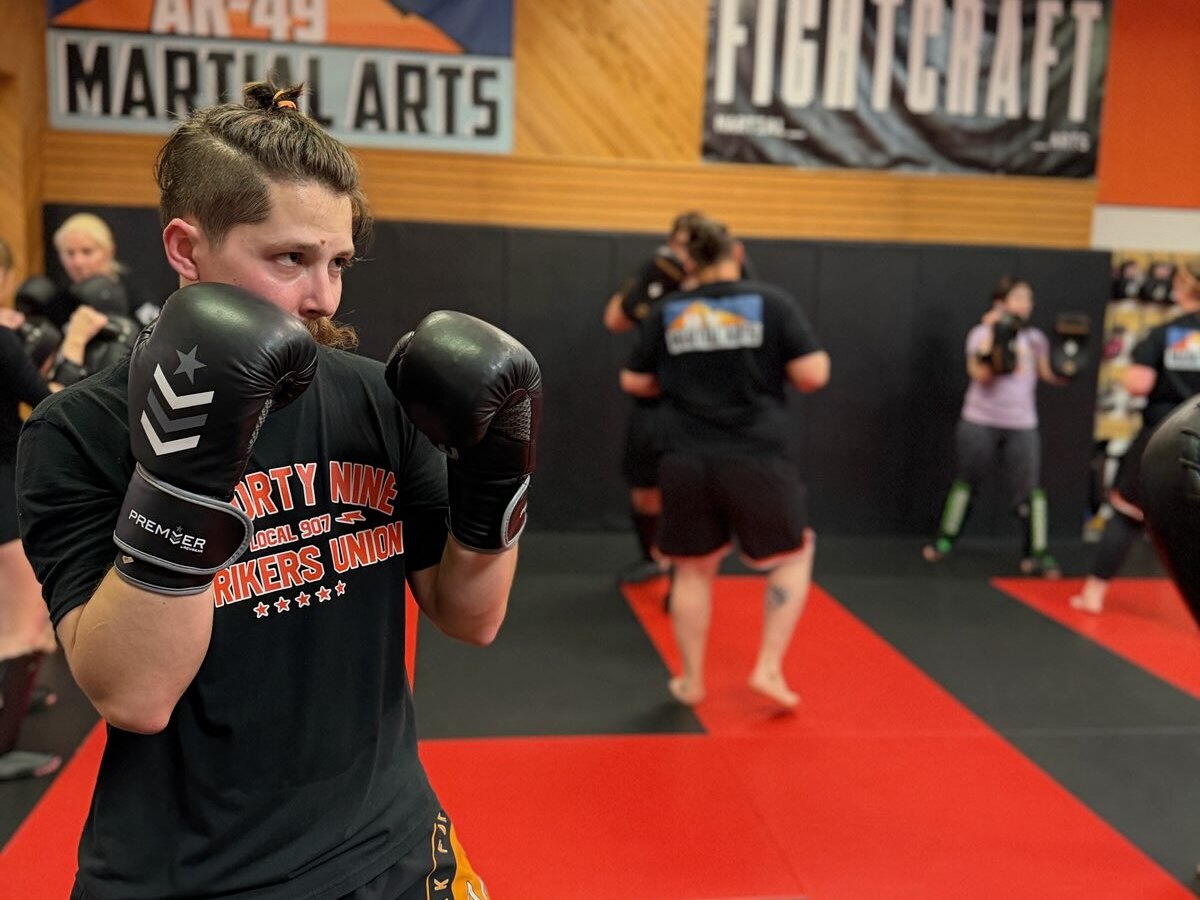
Stand in a good athletic base with the mitts up in front of your face, elbows in, and keep every catch small and inside your shoulders. Keep your wrist straight with the pad curved slightly forward, and meet each punch a little without slamming it. After every catch, bring the mitts back to the start and move so your partner has to step.
- 01
Good athletic base
Stand in your own fighting stance, feet about shoulder width apart, knees a little bent and your weight in the middle. You need a solid base to take each punch without getting knocked back, and you need to be ready to move. It should feel almost like you're boxing your partner, just with mitts on. Stand at the distance where your partner's jab lands with the arm nearly straight, a little over one step away. Keep your chin down and your eyes on your partner over the top of the mitts, so you always see what's coming.
- 02
Mitts up, elbows in
Start with the mitts up in front of your face, close together, with your elbows tucked in near your ribs. Keep them inside your shoulders, never out wide. Wide mitts make your partner punch across their body and put a lot of strain on your own shoulders.
- 03
Straight wrist, curved pad
Keep your wrist straight and curve the pad slightly forward, so your hand, wrist and forearm work as one solid piece. If your wrist bends back, the pad wobbles and your wrist takes the hit. The mitt should feel firm when it's struck.
- 04
Angle it for straight punches
For the jab and cross, face the mitt toward your partner, tilted slightly forward and down, so their knuckles land flat. Everyone is a little different, so ask your partner if the angle feels right on their wrist. A bad angle hurts their knuckles and they'll hold back.
- 05
Hooks in line with your nose
Turn the mitt so it faces the hook and catch it in front of you, in line with your nose, turning a little with your partner. Never hold it out wide or down low. That's where a real head would be, so their hook learns to land where it has power.
- 06
Uppercuts and overhands
For uppercuts, turn the pads flat so they face the floor, out in front of your chest, so the punch comes straight up into the middle of the pad. For an overhand, hold the mitt at head height, a little to the side the punch comes from, tilted down and toward the punch so it lands flat, and keep your elbows tight. Have your partner go slow the first few times so you both find the angle. For body shots, use a body shield, and leave body work on mitts to experienced holders. Keep those punches light.
- 07
Meet the punch a little
Push into each punch an inch or two right as it lands, like a short parry, with your knees soft so your legs help take it and your breathing steady. That gives your partner a good pop and keeps the mitt from flying back into your face. Keep the mitt a little out in front of your face, never right against it, so a missed punch doesn't bring the mitt into you. If your partner gets tired and starts swinging wild, slow it down or call a rest. Start light and slow with a new partner, and don't slam the mitt into the punch or let your arm go limp.
- 08
Back to the start
After each catch, bring the mitts straight back up in front of your face, close together and inside your shoulders. Your partner punches from the face and comes back to the face, and your mitts reset the same way. Then take a small step to the side or back, staying balanced, so they have to find you again.
When to use it
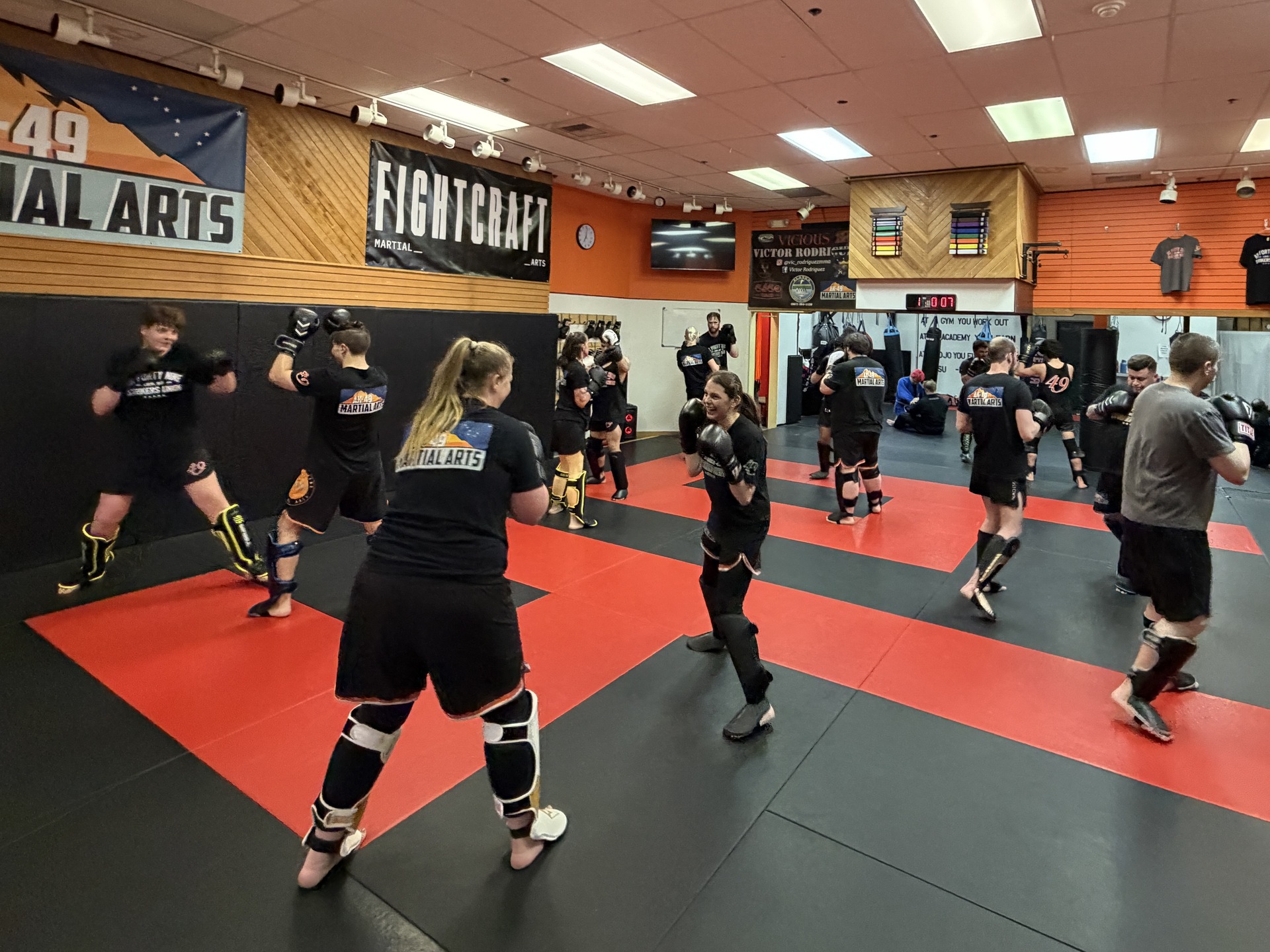
When you switch with your partner. In class you hit the mitts, then you switch and hold for your partner. Holding well is how you help them get better, and watching each punch come at the mitt shows you what clean technique looks like. Call the punches out loud before you show the mitts, so your partner always knows what's coming. Start with simple ones like a jab or Two Hands.
Between combinations. Between the combinations your partner is working on, keep them busy with simple punches like a jab or Two Hands. Take a step before and after each combination so they have to step in, step out and turn to find you. That keeps the round flowing and makes pad work feel more like the real thing. Keep it simple until you both have the timing.
Things to look out for
Bent back wrist
Your wrist folds back when the punch lands. The pad wobbles and your wrist gets sore fast.
The fix: Straight wrist, pad curved slightly forward. Think of your hand and forearm as one stiff piece.
Mitts out wide
You catch punches out past your shoulders. Your partner has to punch across their body, and your own shoulders take a beating.
The fix: Keep every catch small and inside your shoulders, close to where a real head would be.
Catching hooks wide or low
You hold the hook mitt out to the side or down by your chest. Your partner learns to throw a hook that misses a real head.
The fix: Bring the mitt in front of you, in line with your nose, and turn with the punch.
Slamming every punch
You drive the mitt hard into every punch or stand too close. Your partner's punches get jammed before they reach, and it can hurt the wrist of a beginner who's still learning to make a fist.
The fix: Stand far enough back that their arm can reach nearly straight. Meet the punch an inch or two and let them finish it.
Standing limp
Your arms go soft and just take the hit. The punch knocks the mitt back into your own face and your wrist bends back.
The fix: Keep your arms firm and meet each punch a little. The mitt should stop where you put it.
Pulling the mitt away
You take the mitt away as the cross comes. Your partner punches at air and overextends, which throws them off balance and can hurt their arm.
The fix: Leave the mitt where you showed it until the punch lands. Never move it away from a punch you called.
Popping the pad out to surprise them
You flash the mitts out at random spots to test your partner. They can't build any rhythm, and the round turns into guessing.
The fix: Guide them with small taps and let them come to you. Build a rhythm first and add surprises much later.
Drills you can practice
Drill 01
Mirror mitt positions
3 rounds of 2 minutes with 1 minute rest, in front of a mirror, with mitts on if you have them. Round one, show the jab and cross position, wrist straight and pad tilted forward and down, then reset to the start. Round two, show hooks on each side in line with your nose, then uppercuts with the pads facing down. Round three, call Three Hands out loud, show each mitt in turn, and reset after every combination.
Drill 02
Holder footwork
3 rounds of 2 minutes with 1 minute rest. Move around the room in your stance with your mitts up and elbows in. Take a step or two, stop, show a target for one second, reset, and move again. Keep the steps short and stay balanced so you could take a punch the moment you stop.
Drill 03
Shadow box what you'll call
3 rounds of 2 minutes of shadow boxing the combinations you'll hold for, like Two Hands, Three Hands and Four Hands. Throw them slowly and notice where each punch would land and how long it takes. Knowing the rhythm from the inside makes you a much better holder.
Frequently Asked Questions
How do you hold focus mitts?+
Stand in your stance with the mitts up in front of your face and your elbows in. Keep your wrist straight and the pad curved slightly forward, keep every catch inside your shoulders, and meet each punch a little. After each catch, bring the mitts back to the start.
Where do you hold the mitt for a hook?+
In front of you, in line with your nose, with the mitt turned to face the punch. Turn a little with your partner as it lands. Holding it out wide or low teaches them a hook that misses.
Should you hit back into the punch?+
A little. Meet it an inch or two, like a short parry, so your partner feels a good pop. Don't slam it, because that jams their punch and can hurt their wrist.
How high should I hold the mitts?+
Around face height, in front of you and inside your shoulders, roughly where a real person's head would be. Adjust for your partner's height and what they're working on. If they're reaching up or punching down, move the mitt. With kids, crouch down or hold lower so the mitt sits at their own face height.
Can holding mitts hurt?+
It can if your wrist bends back or you hold the mitts out wide. Keep the wrist straight and your elbows in, and meet each punch a little, and it's very manageable. Your partner should have gloves and wraps on, and if anything starts to hurt for either of you, stop and slow it down.
Are You Ready?