Can I Start Out of Shape
Brazilian Jiu Jitsu | Starting Out
Can You Start Jiu Jitsu Out of Shape
Yes. You don't need to be in shape to start, because a few weeks of training is what gets you in better shape. Your first job is learning to move on the ground, and even good athletes from other sports look lost at that at first. A lot of the early tiredness comes from tensing up and holding your breath, and that gets better as you learn to relax.
How to start out of shape
- 01
Start now
You don't need to be in shape to start. Training is what gets you in better shape. Most people notice a difference within a few weeks, and real fitness keeps building over months. Running or lifting can help your general fitness, but the best preparation for jiu jitsu is usually jiu jitsu itself, because the movements are new to everybody. Two classes a week is a good start, with a rest day between while you're sore, and most people find the first two or three weeks the hardest.
- 02
Learn to move on the ground
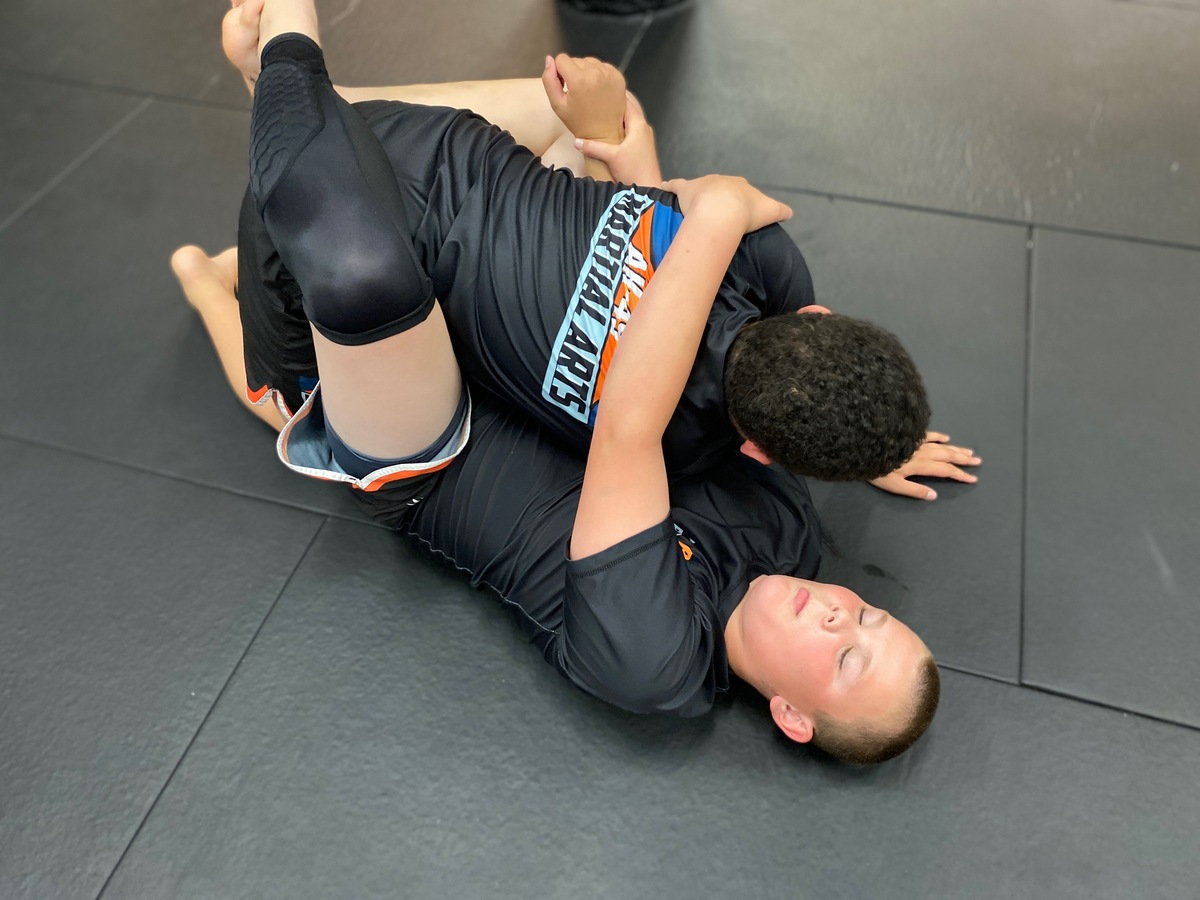
The bridge, the shrimp and the other base movements are new for everybody. The bridge is driving off your feet to lift your hips up onto one shoulder. The shrimp is planting a foot and pushing your hips away to the side to make space. A good football or hockey player can look lost in their first class too. Once those movements feel normal, you stop wasting energy on moves that go nowhere.
- 03
Use frames
Being stuck under someone is tiring because you're carrying their weight on your body. Good escapes move that weight onto your knees, elbows and forearms. Keep your elbows tucked in and let your bones hold the weight, so your arms aren't doing all the work.
- 04
Breathe and stay loose
Most beginners tense every muscle and hold their breath when someone is on top of them, and that wears you out faster than anything. Breathe out slowly and on purpose, and relax your shoulders and jaw. Only use as much effort as the move needs.
- 05
Rest when you need to
Nobody in a good class will think less of you for sitting out a round. Drink water during the breaks. If you feel dizzy or sick, step off the mat right away and tell the coach. Tell your partner and the coach about any injury, sore knee or bad back before you start, and tap early. If you're carrying extra weight or your joints are sore, ask the coach for an easier version of the warm up while you build up.
What to expect
You'll be tired early on. Your grip, your core and your breathing all get tested. The first few weeks you'll be sore and breathing hard, and you'll be glad for every water break. That tired feeling fades as you keep coming, and one day you'll finish class wanting one more round.
Aim to finish class. Your first goal is to finish class, drive home, and want to come back. After that, set small goals you can actually hit, like getting through the whole warm up or learning one escape well. Write them down and check them off, because progress is easy to miss when you're tired.
Things to look out for
Waiting to get in shape first
You tell yourself you'll start once you've lost some weight or gotten your wind back. The months go by, and the fitness you were waiting for never shows up on its own.
The fix: That's the part people get backwards. Start training and the fitness comes with it. Your first class is free, so you can find out on the mat how it feels.
Muscling your escapes
You try to shove a heavy partner off with your arms. Your arms burn out in a minute, and they're still on top of you.
The fix: Build frames with your knees and elbows and move their weight onto them. Then bridge and shrimp to make space, using your hips instead of your arms.
Going all out from the first second
The round starts and you go as hard as you can, scrambling for everything. Nobody can hold that pace, and two minutes in you're done for the rest of the round.
The fix: Find a pace you could keep for the whole round. When you need a breather, settle into a spot where it's hard for them to speed things up, like holding your closed guard or half guard, and catch your breath there.
Holding your breath
You lock up and stop breathing every time someone puts weight on you. You gas out fast and think it's all your fitness, when a lot of it is the tension.
The fix: Keep breathing slow and steady while you push, bridge and shrimp. Drink water before class and during every break, especially in a warm room. If you notice you've stopped breathing, take a slow breath out and relax whatever you don't need.
Toughing it out when you need a break
You feel lightheaded or sick but keep going because you don't want to look weak. Pushing through dizziness can turn a hard first night into a bad one.
The fix: Step off the mat, sit down and drink some water. Tell the coach how you feel, and jump back in when you're ready.
Drills you can do at home
Drill 01
Bridge
3 sets of 8 with 30 seconds rest. Lie on your back with your feet flat near your butt and your elbows tucked. Drive your hips up and turn onto one shoulder, chin tucked, then come down and go the other way. Start with fewer reps if you need to and build up.
Drill 02
Shrimp
3 rounds of 45 seconds with 1 minute rest. On your back, plant one foot, push off it and slide your hips away to the side, ending on your side. Switch sides every few reps. Move slowly and breathe the whole time.
Drill 03
Slow breathing on your back
3 rounds of 1 minute. Lie on your back with a pillow or bag on your chest for a little weight. Breathe in through your nose and out slowly through your mouth, and relax your jaw and shoulders. This is the same calm breathing you want when someone is on top of you.
Frequently Asked Questions
Do I need to be fit to start jiu jitsu?+
No. Training is what gets you in better shape, and if you're starting from far back, give yourself a slower ramp up of a couple of months. Out of shape people and athletes from other sports both get tired fast at first, because the movements are new. That gets better over a few weeks of steady training.
Does jiu jitsu get you in shape?+
Yes. It works your whole body, and it rarely feels like a workout while you're doing it, because you're busy figuring out the problem in front of you. Your grip, your core and your wind all get stronger as you keep coming.
Is jiu jitsu hard if you're out of shape?+
It's tiring at first. Your grip, your core and your breathing all get tested, and that fades as you keep coming. Learning to breathe and stay loose makes a big difference, because tension burns energy fast.
Should I work out before I start?+
You don't have to. Walking, easy cardio or simple strength work on your off days can help you feel better, but don't wait on it. For your first class, trim your nails, take off jewelry, wear a shirt and shorts with no zippers and bring water. Start training and add those on the side if you want to.
What if I have a health condition?+
Check with your doctor before you start. That's good advice for any new kind of exercise. Then tell your coach, so they know what to keep an eye on.
Are You Ready?