Is BJJ Safe
Brazilian Jiu Jitsu | Questions
Is BJJ Safe
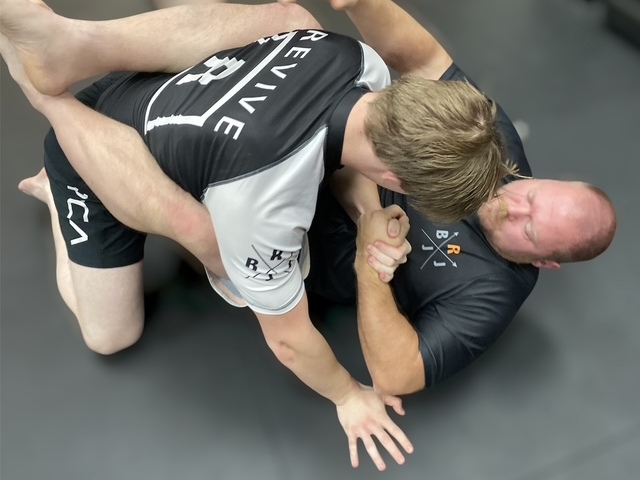
For most people, yes, when it's coached well and you train with a few safety habits. Brazilian Jiu Jitsu has no punches or kicks, beginners drill a move with a partner before they ever try it live, and you can tap at any time to stop. What keeps it safe week to week is how you train: tap early, let your partner tap, stay in control, learn to fall, and keep your skin and gear clean.
How to train safely
- 01
Tap early
Tap with two clear pats on your partner or the mat, use your foot, or say "tap," and your partner lets go right away. Tap when you're caught and can't get out, before a joint hurts or a choke makes you dizzy or your vision starts to close in. Heel hooks, neck cranks and slams aren't things beginners should be doing or allowing, so if one comes on, tap right away. If you get stuck somewhere bad and don't know what to do, tap, reset and ask how it happened.
- 02
Let your partner tap
When you're the one finishing a submission, bring the pressure on slowly and give them a moment to feel it. A fast crank takes away their chance to tap, and that's how training partners get hurt. The instant they tap, open your grip and let go. A choke held too long can put someone out in seconds, so if your partner goes limp or stops moving, let go right away and call the coach.
- 03
Drill before you go live
You learn a move step by step with a cooperative partner before you ever try it against someone resisting. Beginners spend most of their early classes drilling and working positions, not rolling hard. That's how your body learns the right shape before things speed up.
- 04
Stay in control
New people often try to escape with wild, all out bursts, jerking an arm free or bucking without looking. That's the movement that hurts partners, and it usually doesn't work anyway. Move with control, at a speed where you could stop at any moment.
- 05
Learn to fall
Before you do takedowns from standing, learn the breakfall: chin tucked, slap the mat, and land on your side instead of your head or a straight arm. Practice it from sitting and squatting first, then from standing. Keep that same tuck when you get swept, and don't reach a straight arm out to catch yourself, because that's a common way to hurt a wrist, elbow or shoulder.
- 06
Tell your coach about old injuries
Before class, tell your coach and your partner about a bad knee, a sore shoulder or an old back problem. A good coach can show you another way to do the same move. If something causes sharp pain, stop instead of pushing through it. If you take a knock to the head, stop for the day, tell your coach and don't roll again until you're cleared. Get checked right away for a headache that gets worse, throwing up, confusion or feeling worse.
- 07
Keep it clean
Trim your nails, wash your gi or rash guard after every class, and shower right after training. Ringworm, staph and herpes all spread through skin to skin contact, so get any rash, ring shaped patch or sore checked and cleared before you get back on the mat.
What else helps
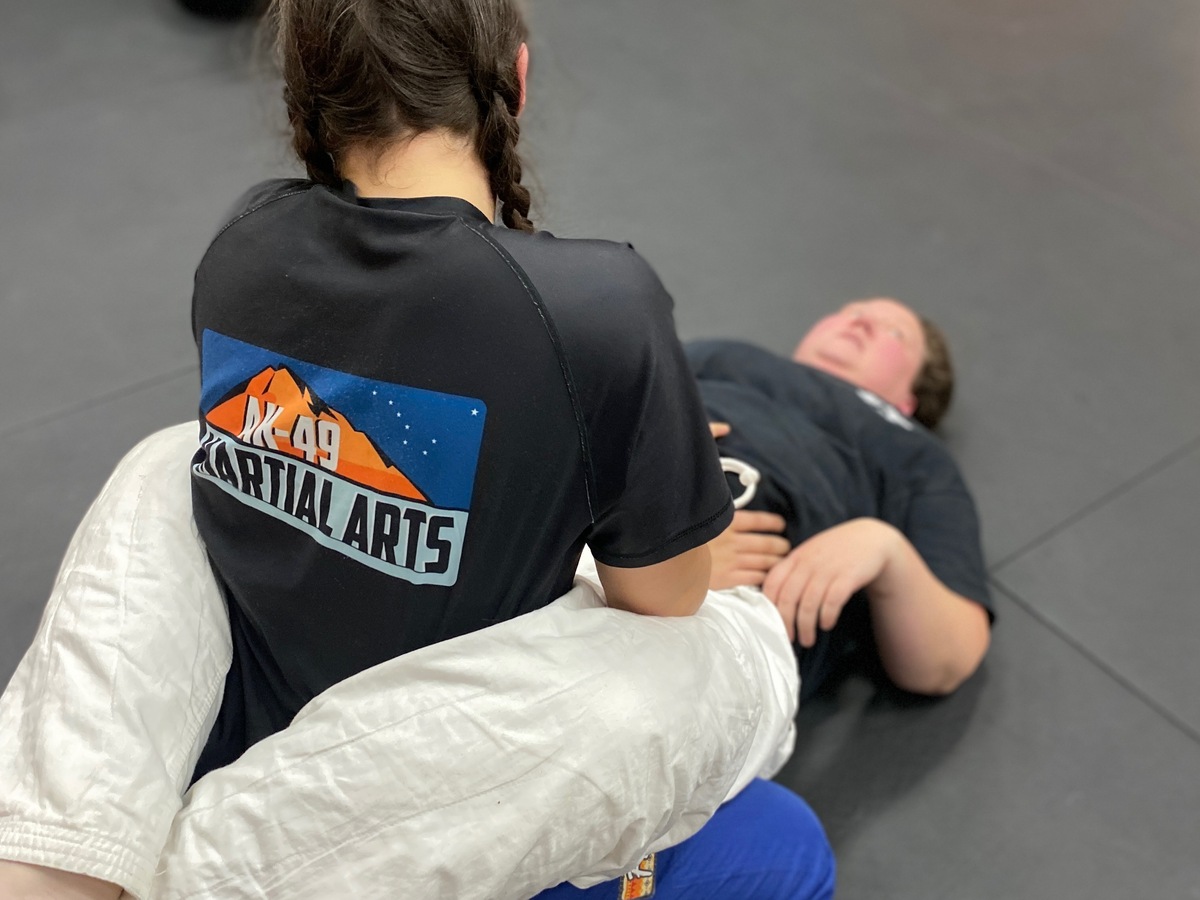
Patient partners and optional sparring. At AK-49 Martial Arts, new students get paired with patient partners, and sparring is completely optional. You can learn a lot of jiu jitsu just by drilling. Nobody asks you to roll hard before you're ready, and when you do start, you can pick partners who move with control.
Take care of yourself off the mat. Warm up before class, and don't skip it because you're running late. Sleep, eat well and drink enough water, because a tired body moves sloppily. Take your rest days, especially in your first few weeks, when your grip and core will be sore from a new kind of work.
Things to look out for
Tapping late
You hold on because it doesn't hurt yet or because you don't want to tap to that person. With joint locks, the damage can come before the pain, and one stubborn round can cost you weeks.
The fix: Tap as soon as you know you can't get out. If you're not sure, tap, and ask about it after the round.
Going all out on every round
You treat every roll like a fight you have to win, so you're stiff, rushed and exploding at full speed. That's when people get hurt, and you'll run out of people who want to train with you.
The fix: Roll to learn. Turn the intensity down, try the move you drilled that day, and treat your partner as the person helping you get better.
Spazzing out of bad spots
You panic under a pin and jerk, kick or buck as hard as you can. Wild elbows and knees catch faces, and a sudden yank can hurt your own joints too.
The fix: Stay calm and work the escape you learned, one step at a time. If you can't get out, tap, reset and start again.
Slamming or flying
You lift a partner out of your guard and slam them, or jump into a flying move in a live round. Both put your partner's neck and back at risk, and they're not things a beginner should be doing.
The fix: Keep it on the ground and in control. Save anything fancy until a coach shows you how to do it safely.
Hiding an injury
You don't want to look soft, so you train on a tweaked knee without telling anyone. Your partner can't take care of something they don't know about.
The fix: Tell your coach and partner before you roll. Stop any movement that causes sharp pain, and check with your doctor when something doesn't settle down.
Not watching the mat around you
On a busy mat, you roll into another pair or get rolled into the wall. Someone gets landed on who never saw it coming.
The fix: Know where you are on the mat and who's next to you. If you drift into another pair, stop and move back to your space.
Training with a skin sore
You train with a rash to see if it's nothing, and it turns out to be contagious. Now it's on your partners too.
The fix: Get any rash or sore checked by a health care professional and cleared before you train. Shower right after class and wash your gear every time.
Frequently Asked Questions
Is jiu jitsu safe for beginners?+
For most people, yes, when the class is built with beginners in mind. You drill moves before you try them live, you tap when a hold gets serious, and your partner lets go. Pick patient partners and keep the intensity low while you learn.
Is BJJ safe for kids?+
What keeps a kids class safe is how it's coached. Kids BJJ at AK-49 Martial Arts is its own class for ages 6 and up, and kids learn to tap and to let go right away. Coaches drill the basics first, pair kids carefully by size and age, and watch every pair during live rounds.
Does jiu jitsu hurt?+
Expect to feel sore in your first few weeks, mostly in your grip and your core, because you're using your body in a new way. A hold shouldn't be painful for long, because you tap before that. The spots that take the most wear over time are fingers, knees, neck and ears, so tap early and tell your coach if any of them keep bothering you. The soreness gets better as your body gets used to training.
Can I train with an old injury?+
Often, yes, if you're smart about it. Tell your coach about it before class, so they can show you another way to do a move, and pick partners who move with control. If you have a health condition, check with your doctor before you start.
How do you avoid skin infections in BJJ?+
Shower right after training, wash your gi or rash guard after every class, and keep your nails short. Get any rash or sore checked before you train again.
Are You Ready?