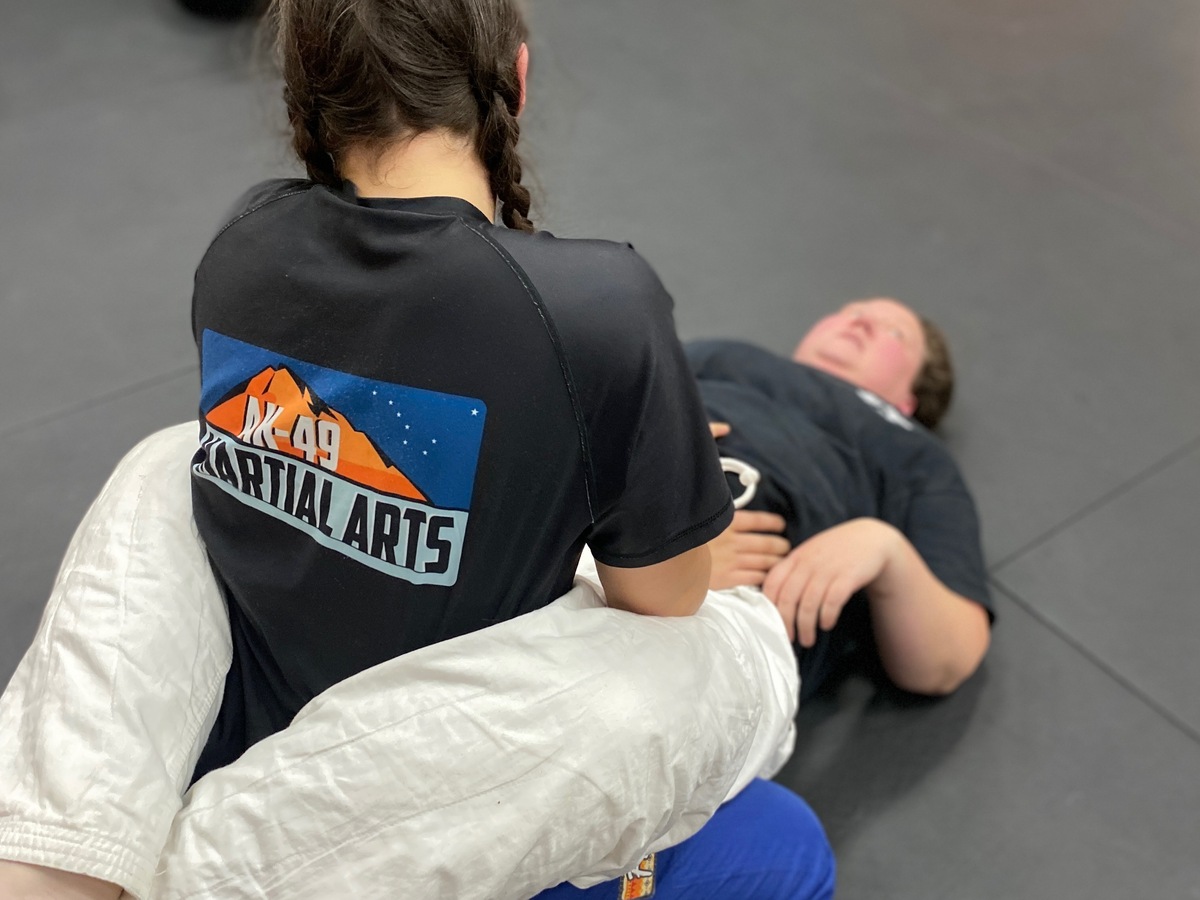
Open Guard
Brazilian Jiu Jitsu | Positions
Open Guard in BJJ: How to Play It
Open guard is any guard where your legs aren't locked around your partner, so you use your feet, knees, shins and hands to keep them in front of you. Stay rounded up on your side or hip instead of flat, keep your elbows close to your knees, and keep your feet on them. Keep contact, win inside position, and do your best not to let them settle past your hips or control your head.
How to play it
- 01
Round your shoulders
Curl your shoulders forward and stay on your side or hip with your hips facing them. A good first open guard is sitting guard: up on one hip, a hand posted behind you and a foot on their hip or knee. Try not to lie flat with your back on the mat. Rounded shoulders let you follow them, turn and lift, and a flat back pins you in place.
- 02
Elbows to knees
Keep your elbows tucked in close to your knees so your arms and legs make one shell. That shell is what they have to get through to pass. When your knees and elbows drift apart, they slide right into the gap.
- 03
Feet on them
Keep your feet working on their hips, thighs or arms, not hanging in the air or flat on the mat. Push with your feet instead of kicking, and keep them off their face and off the front of their knees. Try to keep at least three of your four limbs touching them. Each foot or hand on them is a way to feel where they're going and push or pull them.
- 04
Stay inside
Keep your knees and feet inside their legs and your hands inside their arms. Whoever has the inside position is winning. If your legs end up outside and their knees are between yours, they're halfway past.
- 05
Move your hips
When they step to one side, turn your hips with them so your feet stay in front. If they get close, frame and shrimp your hips away to make room and bring a foot or knee back in.
- 06
Grip to slow them down
Grab their wrists, sleeves or ankles so they can't run side to side. Don't let them hold your ankles or pants for long, because those grips let them throw your legs out of the way. A grip should do a job, so let go of grips that aren't helping.
- 07
Guard your hips and head
Fight hard to keep them from settling past your hip line or controlling your head and shoulders. If they get beside your hip, turn toward them, bring your knees back in between you and put them back in front of you. If your hands stay inside, you can still recover even when they've almost passed.
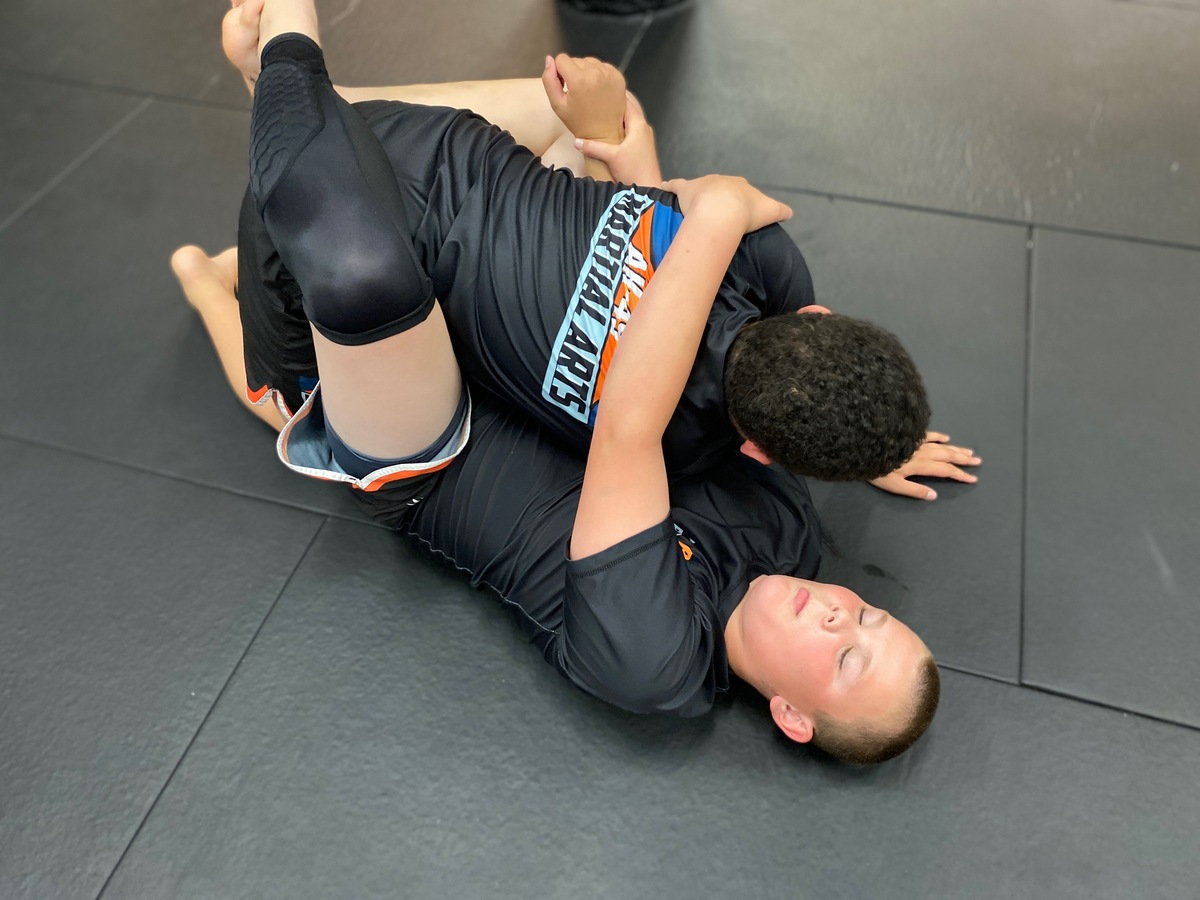
What to do from here
Learn to keep it first. Your first job in open guard is keeping your guard, not sweeping. Practice keeping your feet on them, turning with them and getting your knees back in front when they get close. People who are scared of getting passed never commit to their attacks. Once you trust your guard, sweeps and submissions come a lot easier.
When they commit to a pass. When they step around, grab your legs or lean in to pass, that's often your best chance to move them. Strip their grip, get your feet back on them and turn their attack into your sweep or your attack. Just defending all round is how you get worn down. Answer each pass attempt with a counter of your own.
Things to look out for
Lying flat on your back
You lie flat with your shoulders on the mat, looking at the ceiling. You can't turn or follow them, and they walk around your legs and pin you.
The fix: Stay on your side or hip with your shoulders rounded. If you end up flat, turn onto your side first, then fix your feet.
Legs too far out
You push them away with your legs stretched straight. They step inside your knees, push your legs aside, and nothing is left between them and your chest.
The fix: Keep your knees bent and your elbows close to your knees. Your legs should feel like bent springs.
Feet off of them
Your feet hang in the air or rest on the mat. You can't feel where they're going, and they grab your legs or walk around them easily.
The fix: Keep your feet on their hips, thighs or arms all the time. When a foot comes off, put it right back on.
Grabbing instead of framing
When they come in close, you grab them and hug them to you. They stay close and keep their weight on you, and the pass gets easier.
The fix: Use your forearms and shins as frames to push their weight off, then shrimp and bring a foot back in.
Letting them past your hip
They get beside your hip and settle there while you try to stop them with your hands. Once they're past your hips, your legs can't reach them.
The fix: Turn toward them right away and pull your knees to your chest. Put them back in front of you before they settle.
Letting them hold your ankles
They grab your ankles or pants and you leave the grip alone. They can now toss your legs to one side and run around them.
The fix: Break ankle grips as soon as they land. Strip their wrist with your hand, kick your leg out of the grip or turn your foot out of it, then put the foot back on them. If your legs get tangled and someone starts twisting a foot or knee, tap early, because ankles and knees don't give much warning.
Giving up too early
They get partly past and you stop fighting because it feels lost. A lot of passes only finish because the person underneath quit on them.
The fix: Keep framing and keep turning in until they're really settled. Even late, a knee or a foot back in can save it.
Drills you can practice
Drill 01
Leg circles
3 rounds of 1 minute with 1 minute rest. Lie on your back with your shoulders rounded and circle your legs in the air like you're pedaling around someone's arms. Go one direction for 30 seconds, then the other. Keep your knees bent and turn your hips as your legs circle.
Drill 02
Shrimp and reguard
3 rounds of 1 minute. Shrimp your hips away, then bring both knees back to your chest and put your feet back up in front like they're on someone's hips. Alternate sides. Keep your elbows close to your knees each time you come back in.
Drill 03
Feet on the wall
3 rounds of 1 minute. Lie on your back with your feet on a wall, like it's a partner's hips. Walk your hips side to side and turn with your feet staying on the wall the whole time. If a foot slips off, put it right back.
Frequently Asked Questions
What is open guard in BJJ?+
It's any guard where your legs aren't locked around your partner. You use your feet, knees, shins and hands to keep them in front of you. It covers a lot of guards, like butterfly guard, sitting guard and guards with feet on the hips.
What's the difference between closed and open guard?+
In closed guard your ankles are crossed behind their back, so they're held in place. In open guard your legs are free, so they can move more, and so can you. Open guard takes more work to hold, but it gives you more ways to sweep and move.
How do you stop someone passing your open guard?+
Keep your feet on them, keep your knees and elbows close, and keep your arms and legs inside theirs. Turn your hips to follow them and break any grip on your ankles. If they get close, frame, shrimp and bring a knee back in.
What should you learn first in open guard?+
Keeping your guard. Learn to shrimp, frame and turn with your partner before you worry about sweeps. Once your guard is hard to pass, you'll have the confidence to start attacking from it.
Why do I get passed so easily?+
Most of the time you're lying flat, your legs are stretched out, or your feet are off of them. Round your shoulders, get on your side, and keep your knees bent and your feet on their hips or arms. Then move your hips every time they move.
Are You Ready?