The Rear Uppercut
Kickboxing | Punches
How to Throw a Rear Uppercut in Kickboxing
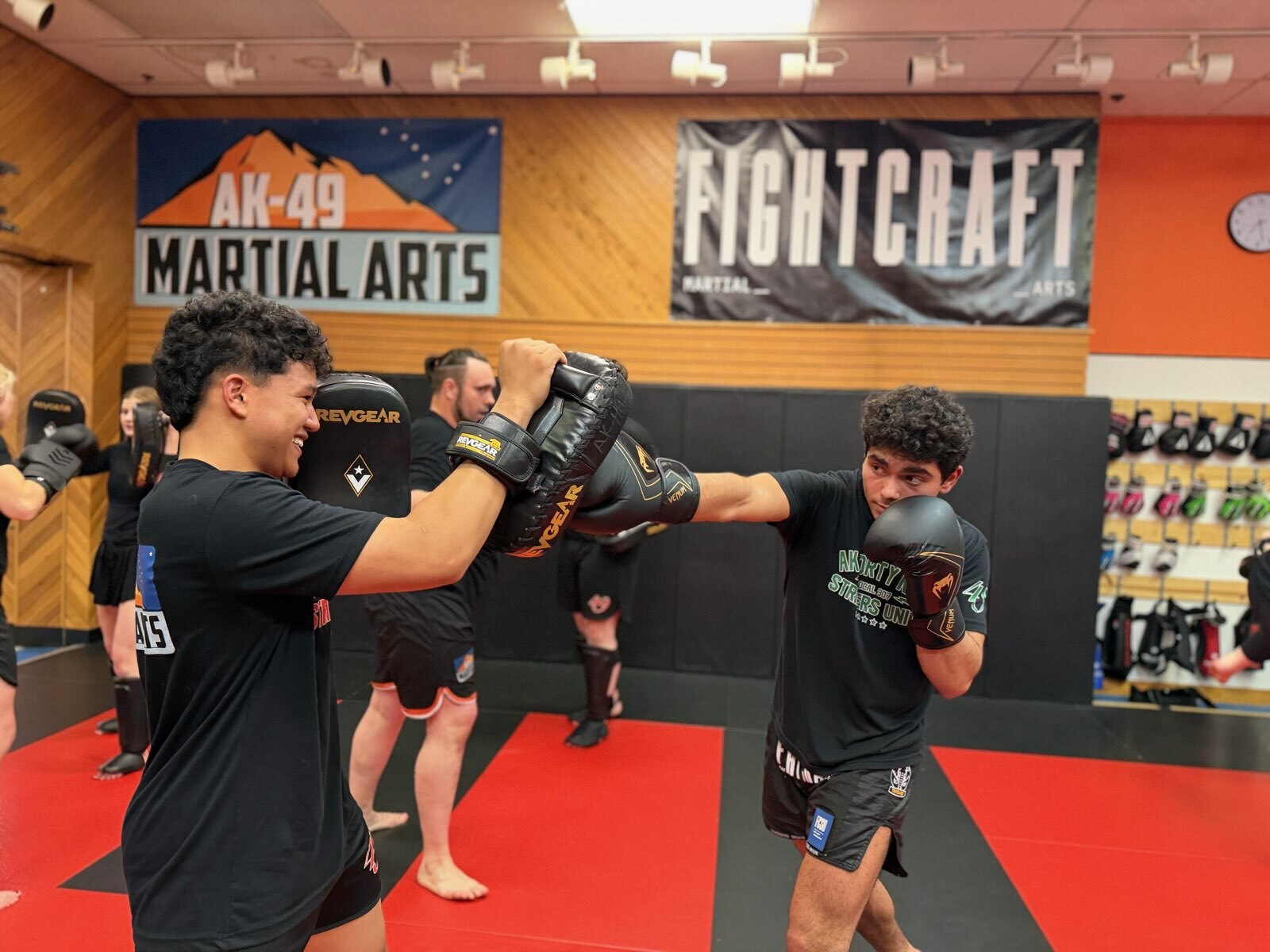
The rear uppercut is a short rising punch thrown with your back hand at close range, powered by pushing off the back foot and turning your hip into it. Keep a good athletic base with your hands up and elbows in, punch from the face with no wind up, and bring it right back to the face. Set it up with a jab or a hook, because it only works when you're close.
- 01
Good athletic base
Feet about shoulder width apart, front foot ahead with the toes pointing forward, knees a little bent and your weight in the middle. The uppercut comes from your legs, so keep those knees bent and ready to push. You should feel loaded, like you're about to push off the floor.
- 02
Hands up, elbows in
Both fists sit up by your cheeks with your chin tucked a little, and your elbows stay in close to your ribs. Your lead hand stays on your face the whole time, like you're holding a phone to your ear while the other hand works. At close range their hook is right there, so that hand matters.
- 03
Punch from the face
The uppercut starts at your face, with no dropping the hand to wind up. Let the elbow sink a little and keep it close to your body, with the glove still above the elbow, so the punch comes straight up the middle between their arms. Your rear shoulder comes up by your jaw as you turn, your palm turns toward you, and you land on the knuckles with the wrist straight. The leg drive and hip turn below happen at the same moment as the arm, as one move.
- 04
Back to the face
Bring the hand straight back to your chin as soon as it lands. The punch has a set stopping point, so it doesn't swing up past their head and leave you open. Keep breathing steady, let a breath out as it lands, and keep your eyes on them.
- 05
Drive from the back foot
Push off the ball of the back foot and turn it so your hip and shoulder go into the punch together with the hand, and your weight shifts forward a little toward your front leg. Stay low and centered, without jumping up, standing tall or lunging. It should feel like your legs and hips throw the punch and the arm just rides along.
- 06
Close range only
The uppercut lands from close, about where a short hook would reach. If you have to reach for it, it turns into a weak arm punch and leaves your chin out there. Get close with your feet, keep your head back behind your guard instead of leaning it in, and then throw.
When to use it
After a jab or a hook. The uppercut isn't a punch to start with, because their jab or lead hook will reach you before it does. Throw a jab first to get close and see how they react, or throw it right after a lead hook. Jab, then rear uppercut, is a simple one to learn first. Get your hands back to your face before you do anything else.
When they cover up or bend forward. When someone covers their face with their gloves high and tight, or bends forward at the waist, there's a gap up the middle between their arms. The uppercut comes straight up through it, to the chin when their head is up or to the body when they stand tall. When they bend forward, keep your own head off to the side of theirs so you don't knock heads. Follow it with a lead hook, which comes around the side while they're thinking about the middle. Then step out or keep your guard tight.
Things to look out for
Winding up from too low
The hand drops down by your waist before it comes up. It's slow, they see it coming, and your face is open the whole time the hand is down there.
The fix: Start the punch from your face and let the elbow sink, not the glove. Keep the glove above the elbow and keep the punch tight.
All arm
Your feet and hips stay still and only the arm lifts. The punch has no weight in it, and your shoulder does all the work.
The fix: Push off the back foot and turn your hip and shoulder as the hand comes up, all as one motion. Feel the back heel turn out as the punch goes up.
Jumping up
You stand up tall or pop up on your toes as you throw. Your balance goes, the punch gets weaker, and you're standing upright in close range.
The fix: Stay low through the punch and keep your weight centered as it shifts a little forward. Your head should stay at about the same height from start to finish.
Lead hand down
As the uppercut goes, the front hand drops off your face. At close range, their hook lands right where that hand should have been.
The fix: Keep the lead glove on your cheek, like you're holding a phone to your ear. Watch that hand in the mirror, not the one that's punching.
Throwing it from too far
You throw the uppercut from the outside with no setup. It falls short or pushes their arms, and you're reaching with your chin out.
The fix: Jab or hook first to get close. If you're too far for a short hook, you're too far for the uppercut.
Elbow flaring
The elbow swings out to the side and the punch curves up and around. It hits their gloves instead of slipping between them, and your ribs open up.
The fix: Keep the elbow close to your body so the punch travels straight up the middle. Go slow in front of a mirror and watch the elbow.
Swinging through
The fist keeps going up past their head after it lands, or misses and keeps traveling. Your arm ends up high and your face and body are open.
The fix: Give the punch a stopping point at their chin height, then bring it straight back to your face.
What to Practice at Home
Drill 01
Shadow box the uppercut
3 rounds of 2 minutes with 1 minute rest, in front of a mirror. Round one, slow single rear uppercuts, checking that the glove doesn't dip and the lead hand stays on your face. Round two, jab then rear uppercut, stepping in a little on the jab. Round three, rear uppercut then lead hook, breathing steady the whole round.
Drill 02
Stay low reps
3 sets of 10 with 30 seconds rest. Throw two rear uppercuts in a row, then return to your guard. Your hips should stay low on both punches instead of bobbing up and down, and your head stays at the same height. Push off the back foot on each one.
Drill 03
Bag rounds
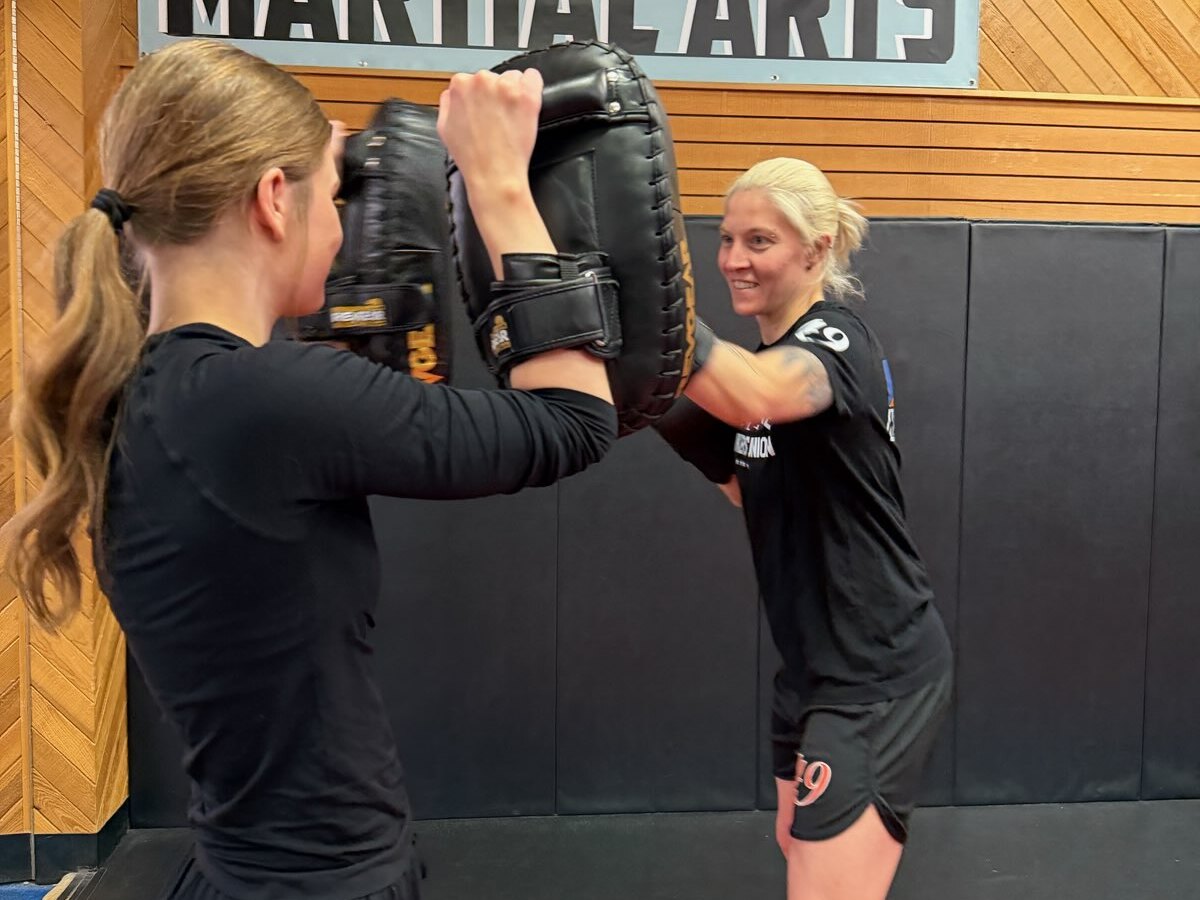
If you have a heavy bag, wrap your hands, put your gloves on and do 3 rounds of 2 minutes with 1 minute rest. Stand close enough that a short hook would land. Round one, jab, step in, rear uppercut. Round two, lead hook, rear uppercut, lead hook. Round three, mix in a rear uppercut to the body, bending your knees to get lower instead of folding at the waist, then step out. Check the bag hangs steady, start light, and stop if your wrist, elbow or shoulder hurts. With a partner, uppercuts go into mitts they hold, at a speed your coach sets.
Frequently Asked Questions
How do you throw a rear uppercut?+
Start in a good athletic base with your hands up and elbows in. Push off the back foot and turn your hip as the back hand comes straight up from your face, elbow close to your body and glove above the elbow. Then bring it right back to your chin, with your lead hand on your face the whole time.
What do you throw after a rear uppercut?+
The lead hook is a favorite follow up. The uppercut comes up the middle, and the hook comes around the side. Bring your hands back to your face and move after.
Why shouldn't you start with an uppercut?+
It's a close range punch, and their jab or lead hook reaches you first. Throwing it from the outside means reaching with your chin out. Jab or hook first to get close, then throw it.
Can you throw a rear uppercut to the body?+
Yes. Bend your knees to get a little lower and use the same back foot push and hip turn, with the elbow close so it fits between their arms. After a body shot, come back up and throw to the head so you don't stay low.
Is the rear or lead uppercut easier to learn?+
Many people find the rear uppercut easier at first, because you usually don't need to shift your weight first the way you do on the lead side, though it depends on your stance and how close you are. You just step in, push off the back foot and throw. Learn both once your jab and cross feel solid.
Are You Ready?