Shin Conditioning, the Facts
Kickboxing | Conditioning
Shin Conditioning for Kickboxing: The Facts
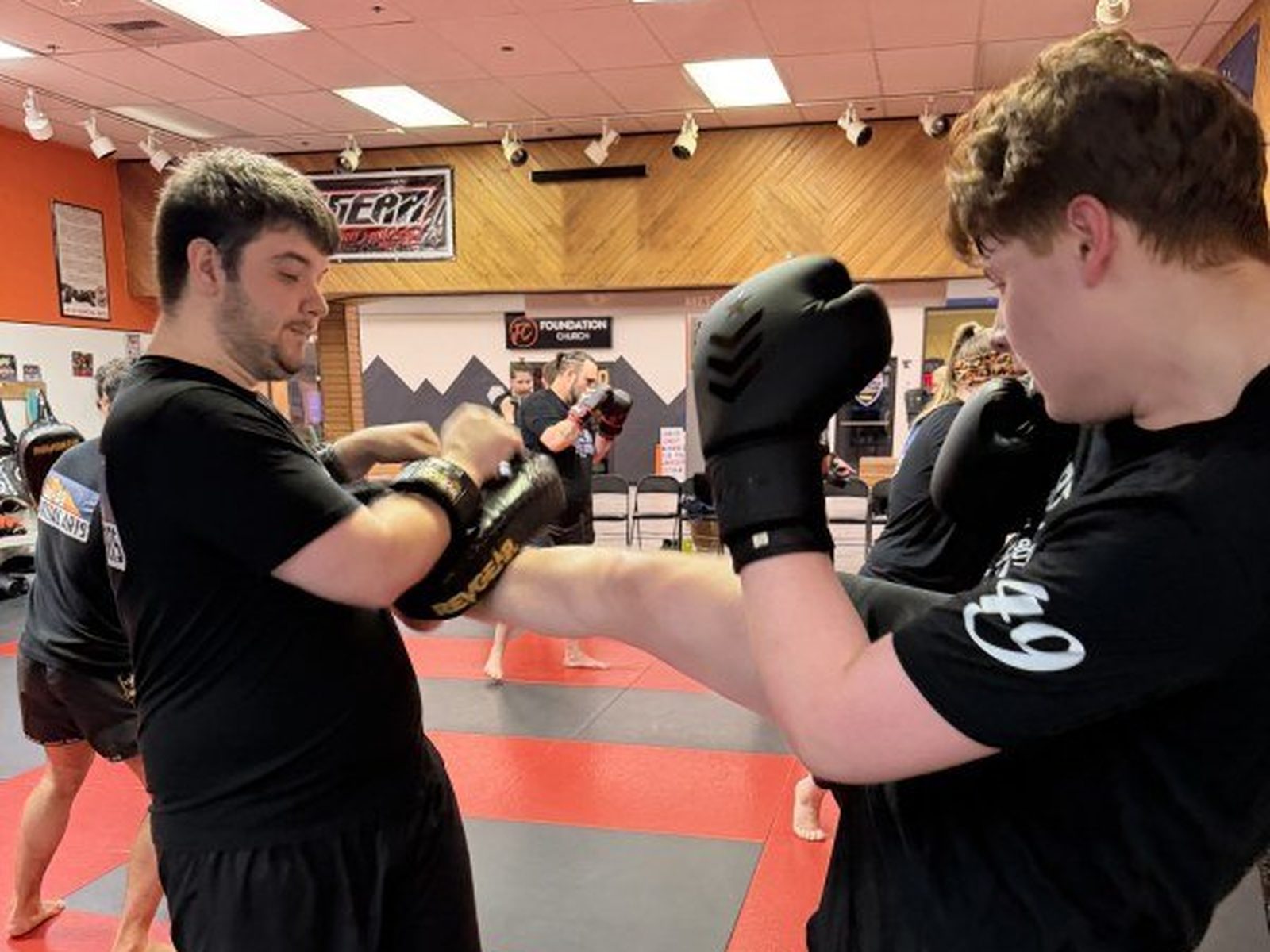
Your shins get tougher the slow way: strong legs, light kicks on pads and the bag, and drilling in shin guards, built up over months and years of regular training. Early on, the nerves and skin get used to the contact so it stops stinging as much. Over a longer time, the bone and the tissue around it adapt to steady, gradual load. Nobody needs to kick trees, poles or anything hard, and there's no shortcut that beats steady training.
How to build tougher legs
- 01
Get your legs strong
Squats, lunges, single leg work and deadlifts make the muscles around your knee and lower leg stronger. Strong legs hold up better when you kick and when a kick hits you. A couple of strength days a week is plenty alongside class.
- 02
Start light on pads and the bag
After you've warmed up, kick a single pad or a softer bag at easy to medium power first. Use a heavy bag that's well filled but has some give, and aim for the thick middle, not the bottom seam or the very end where it's hardest. Turn on the ball of your standing foot and turn your hip over so the middle to lower part of your shin lands, not your foot or your ankle. It will sting the first few times, and that fades as your legs get used to it.
- 03
Drill in shin guards
When you drill kicks and checks with a partner, both of you wear shin guards. You still learn timing and contact, but nobody's legs take a beating. Members train in gear the gym provides, so you don't need to buy any before you start.
- 04
Build up slowly, for years
It takes years to build really strong legs. Add a few more kicks or a little more power every couple of weeks, and train so you can come back the next day. Sleep and enough protein help your legs recover between sessions. After time off, start lighter again and work back up.
- 05
Train both legs
Most people kick more with one leg, and the other one gets left behind. Do the same number of kicks on both sides. Your weaker leg needs the work more than the strong one.
- 06
Bare shins come last
Kicking without shin guards only comes after a long time of building up, and always with control. Even then, you aim for the right target so you don't kick into an elbow or a knee. Beginners don't need to worry about this for a long time.

How to protect your shins
Land with the right part. Your shin is made for kicking, and your foot and ankle aren't. Turn your hip over and kick through the target, not up at it, so the shin makes contact. For quick setup kicks, the instep or the lower part of the shin is fine. Kicking with the right part is the biggest thing that keeps your legs feeling good.
Don't kick into a raised knee. A hard low kick thrown with no setup is easy to check, and kicking into someone's raised knee hurts no matter how tough your shins are. Set up your kicks with punches so their hands and eyes are busy. In class you'll also learn to check kicks with your shin, toes up, so their kicks land on your shin instead of the side of your knee. Kick when their weight is on their front leg or when they're stepping, because that's when they can't lift the leg to check.
Things to look out for
Kicking trees, poles or hard objects
Some people kick trees or posts, or roll bottles and rolling pins on their shins, thinking it toughens them faster. Hard objects don't give like a bag or a leg does, and banging your shins on them over and over leaves your legs beat up and keeps you out of class.
The fix: Skip it. Pads, the heavy bag, shin guard drilling and regular class do the job. Cue: if it isn't something you'd kick in training, don't kick it.
Going too hard too soon
You kick the bag at full power for a hundred reps your first week. Your shins are sore for days, you miss training, and you end up behind where you'd be if you'd gone easy.
The fix: Start at easy to medium power with a small number of kicks, and add a little at a time. Cue: you should be able to train again tomorrow.
Kicking with your foot
You kick with the top of your foot or your ankle because the hip doesn't turn over. It hurts, there's no power, and your foot takes the hit instead of the shin.
The fix: Turn the hip over and swing the shin through the bag. A good shin kick on the bag makes a deep thud. Cue: shin through, not foot up.
Going to bare shins too early
You stop wearing shin guards in drills because you want tougher legs faster. Your partner's knees and elbows are hard, and both of you end up sore.
The fix: Keep the guards on for drilling and light sparring. Build up on the pads and bag first. Cue: guards on with a partner.
Training only one leg
You only kick with your favorite leg. That leg gets used to contact and the other one doesn't, so every kick with the weak side still stings.
The fix: Match your kicks on both sides on the bag and in shadowboxing. Cue: same count, both legs.
Not giving your legs time
Your shins are sore and you keep pounding them anyway. The soreness doesn't go away, and kicking starts to feel bad.
The fix: On sore days, kick lighter or work punches and footwork instead. Normal soreness fades in a day or two. A bruise means kick lighter or rest that leg until pressing on it doesn't hurt. Pain in one spot on the bone, pain when you walk, swelling, or a lump that doesn't go down means stop kicking with that leg and see a doctor before you go back to it. Pain that keeps you from walking normally means go that day. Cue: sore means lighter, not harder.
Drills you can practice
Drill 01
Leg strength
2 days a week. 3 sets of 10 bodyweight or light squats, 3 sets of 8 split squats on each leg, and 3 sets of 10 single leg calf raises on each leg, with 1 minute rest between sets. Go slow and keep your knees tracking over your toes. Add weight only when the reps feel easy.
Drill 02
Bag kicks, built up slowly
At the end of a workout, 10 round kicks on each leg at easy to medium power, with your shin landing on the bag. Rest 1 minute and do one more set. Every couple of weeks, add a few kicks or a little power if your legs feel fine the next day. Leave a day or two between harder bag sessions, more in your first months, and start on a softer bag if you have one.
Drill 03
Shadow round kicks
3 rounds of 2 minutes with 1 minute rest, in the air. Throw slow round kicks, alternating legs, and focus on turning the hip over so the shin would land. Keep one hand at your face and come back to your stance after every kick. Same number of kicks on each leg.
Frequently Asked Questions
Do you need to condition your shins for kickboxing?+
Not on purpose as a beginner. Your legs toughen up from regular class: strength work, pad kicks, the bag and drilling in shin guards. Keep training steadily and it happens over time.
Should I kick trees or roll bottles on my shins?+
No. We don't kick trees, poles or anything hard, and we don't roll bottles on our shins. Steady work on the pads and bag and drilling in shin guards does the job without beating your legs up.
How long does it take to get tough shins?+
Years, honestly. The sting on the bag fades in the first weeks and months as your legs get used to it. Really strong legs come from years of steady training.
Does kicking the bag hurt at first?+
Usually, a little. The first few sessions can sting, especially if your foot lands instead of your shin. Start light, kick with your shin, and it gets easier as your legs get used to it.
Do shin guards stop your shins from getting tougher?+
No. You still get contact and learn timing with them on, and your pad and bag work keeps building your legs. Shin guards let you drill and spar with a partner without both of you getting beat up.
Are You Ready?