Riding From Top
Wrestling | Bottom and Top
Riding From Top in Wrestling and No Gi
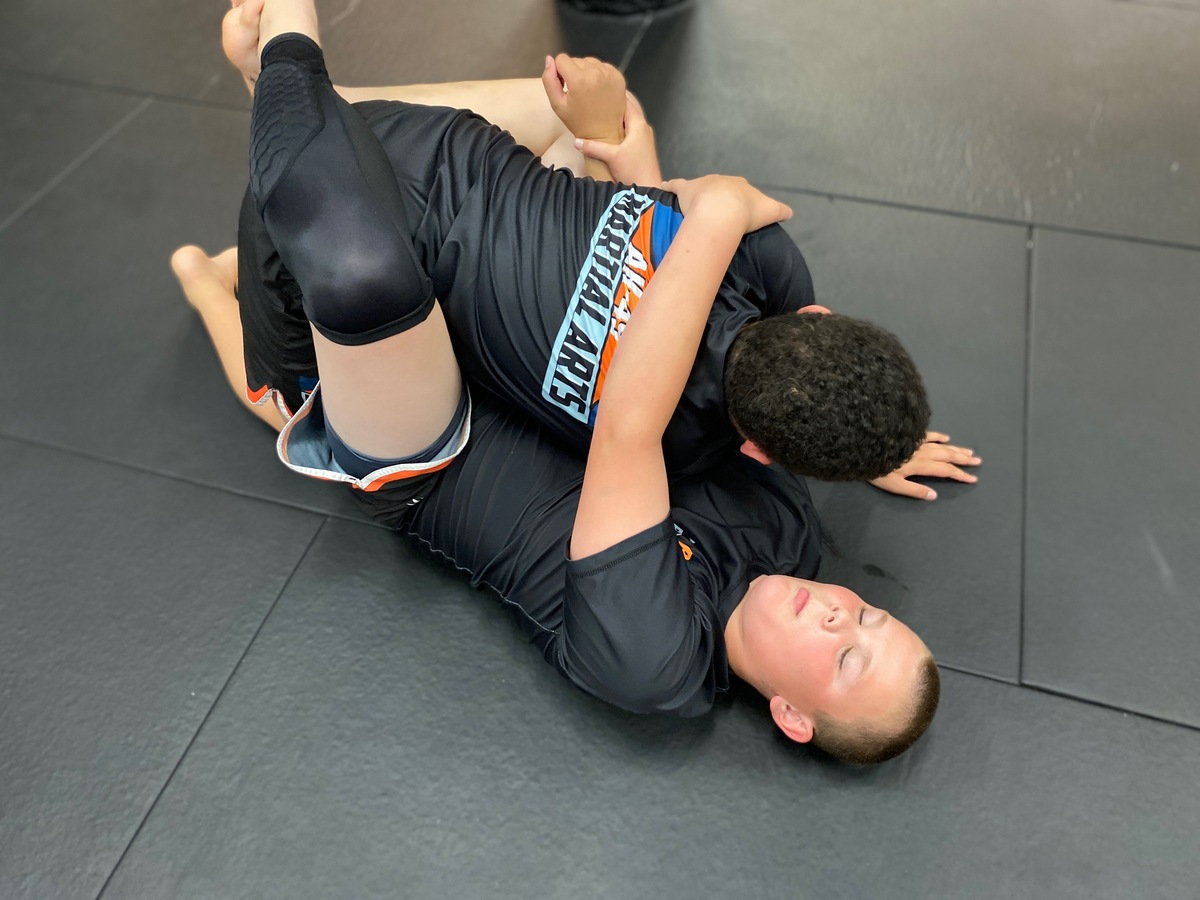
Riding is keeping someone under control from on top when they're on their hands and knees, so they can't stand up, sit out or roll away. You do it with your chest heavy on their back, your hips driving into them, tight grips and your feet pushing off the mat, not by squeezing with your arms. In wrestling you ride to break them down and turn their back to the mat, and in No Gi you ride to break them down and take their back.
- 01
Good athletic base
Stay up on your toes with your toes dug into the mat and your weight centered over their hips. Your knees can touch the mat, but your feet are what push you into them. You should feel balanced enough that if they move suddenly, you don't tip over.
- 02
Tight grips, elbows in
Wrap your arm deep around their waist, reaching as far across their belly as you can, and squeeze your elbows in toward your body. A shallow grip near their side lets them peel your hand off or stand up. Deep grips and tight elbows keep you stuck to them.
- 03
Chest on back, hips in
Keep your chest heavy on their back and drive your hips forward into them. That makes them carry your weight on their hands and knees, which wears them down. Keep the pressure on their back and hips, not down on the back of their neck or head. Don't let your weight slide out past their head, or a quick move from them can throw you over.
- 04
Head on their back
Keep your head glued to their back, with your ear on the back of their shoulder. Stay behind their arms and shoulders instead of out in front of them. If your head ends up in front, they can wrap it or roll you.
- 05
Control the hips and a wrist
Control their hips and you control the whole body. A grip on one of their wrists stops them posting that hand to stand up or sit out. Your hips, your weight and that wrist grip do the holding, so your arms don't have to.
- 06
Take away a post
Someone on hands and knees is like a table with four legs. Take one away and they tip over. Chop their near arm in by pulling it at the elbow toward their belly, or reach back and grab their far ankle and lift it toward you, and keep your chest driving forward until they flatten out on their belly. Keep your hips and chest on them as you reach, so you don't overextend and give them room to roll you. Hold them there for a moment before you move to the next thing.
- 07
Follow them
When they move, move with them instead of fighting the same hold. If they slide their knees forward, shuffle yours forward too, and if they start to stand, add more forward pressure. Keep contact the whole time so no gap opens between you. If they get all the way up, keep your hips tight to theirs and your arm around the waist, and bring them back to the mat under control, never by slamming them. If they sit out, follow them around toward their back instead of staying in front of their shoulders. If they roll under themselves to escape, called a granby, stay tight on their hips and roll with them rather than letting go, so you land behind them again. If they build back up to a strong base, go back to taking away a post.

When to use it
When they turtle up. When someone gets taken down or doesn't want to be pinned, they often go to their hands and knees. That's your chance to ride. Get your chest on their back and your hips in before they can build back up to their feet. The longer you keep them on the mat carrying your weight, the more tired they get.
Wrestling or No Gi. The riding is much the same, but the goal is different. In wrestling you ride to break them flat and turn their back toward the mat. In No Gi you ride to break them down and take their back, aiming for a hook in on one hip and a seatbelt grip, one arm over their shoulder and one under the other arm with your hands together on their chest. Once you have that control it's fine to end up on your side or back with them on top of you, but as a beginner, focus first on staying on top and keeping them flat.
Things to look out for
Leaning too far forward
Your weight slides up over their head and shoulders. You lose your balance, and a quick move from them sends you over the top and lets them come up.
The fix: Keep your weight centered over their hips with your chest on their back. If you feel yourself tipping forward, scoot your hips back into them.
Holding on with your arms only
You squeeze with your arms while your hips stay back and your feet stay still. You get tired fast, and they stand up or slip out the second your grip loosens.
The fix: Use your hips, your weight and a wrist grip, and push off your toes. Your legs do most of the work, your arms just stay connected.
Shallow grips
Your hand sits on their side instead of across their belly, or your elbows are out wide. There's room everywhere, and they peel your hand off and stand up.
The fix: Reach deep across their waist and squeeze your elbows in. Make it feel like there's no space between your arm and their body.
Head in front of their shoulders
Your head drifts up past their shoulder and out in front of them. They can wrap your head or arm and roll you right over.
The fix: Keep your head on their back, behind their arms. Ear on the back of their shoulder.
Riding the same hold
You lock onto one grip and refuse to let go while they keep moving. They use your stubbornness to stand up or roll, because you can't follow while you're stuck on one hold.
The fix: When they move, switch: change your grip, change sides or change legs. If they stand up on the inside leg, switch sides so it becomes the outside leg.
Posting a hand when they roll
They roll and you shoot a hand out to the mat to stop yourself. Your arm gets trapped, your face goes toward the mat and they roll you right through to the bottom.
The fix: Tuck your head and go with the roll. Stay connected to them and come out the other side still in control.
Letting a gap open
They slide forward or shift and you stay where you are. A little space opens between your chest and their back, and that's all they need to turn in to face you or stand up.
The fix: Follow every move they make. If they slide forward, shuffle forward with them and keep your chest on their back.
Drills you can practice
Drill 01
Cushion rides
Stack couch cushions or lay a heavy bag on the floor as your partner's back. 3 rounds of 1 minute with 1 minute rest: get your chest on top, toes dug in, hips forward, and circle around it in small steps without lifting your chest off. Round one, go to the right. Round two, to the left. Round three, change direction every few steps, staying heavy the whole time. In class, the next step is riding a partner for 30 seconds at light pressure while they slowly try to crawl or stand, then switching roles. Start soft with a new partner and build up as you both get comfortable: first they only crawl, then they try to stand at half speed, then they work any escape. Keep your weight on their back and hips, never driving your forearm or chest into their neck or the back of their head.
Drill 02
Wall drives
3 sets of 20 seconds with 40 seconds rest. Lean into a wall with your forearms on it and your chest low, then walk your feet back so you're up on your toes. Drive into the wall by pushing off your toes and pushing your hips forward, taking short steps in place. Feel the push come from your feet and hips, not your arms.
Drill 03
Shoulder rolls
On a mat or soft carpet, 3 sets of 5 each side with 1 minute rest. From your knees, tuck your chin, put one arm in a curve and roll over that shoulder diagonally across your back, not over your head or neck. This teaches you to tuck and go with a roll instead of posting a hand. Go slowly and stop if your neck feels any strain.
Frequently Asked Questions
What is riding in wrestling?+
It's keeping someone under control from on top while they're on their hands and knees. You stop them from standing up, sitting out or rolling. In wrestling, a rider then breaks them down and works to turn their back to the mat.
How do I stop someone standing up from bottom?+
Keep your chest on their back and your hips driving into them so they carry your weight. Control their hips and grab a wrist so they can't post that hand. When you feel a foot come under them, add more forward pressure.
Why do I keep getting rolled off the top?+
Usually your weight is too far forward, your head is out in front of their shoulders, or you're posting a hand when they roll. Keep your weight over their hips and your head on their back. If they do roll, tuck your head and go with it.
Is riding the same in No Gi?+
The control is similar, but the goal changes. In No Gi you ride to break them down and take their back, usually with a hook in and a seatbelt grip, more than to turn them over. Once you have that control, ending up on your side or back is fine, and when you work a choke from there, go slow and let go the moment they tap.
Why are my arms so tired after riding?+
You're probably holding on with your arms instead of your hips and legs. Push off your toes, drive your hips forward and let your weight do the work. Your arms should stay tight and connected, not squeeze as hard as they can.
Are You Ready?