Gi vs No Gi
Brazilian Jiu Jitsu | Starting Out
Gi vs No Gi Jiu Jitsu: What's the Difference
Gi jiu jitsu is trained in a heavy jacket and pants that both people can grip, while No Gi is trained in shorts and a rash guard with no cloth grips allowed. Without the cloth, grips are weaker and come off faster, so No Gi moves quicker and leans more on grips on the body and on wrestling. Both teach the same positions, and you can start with either one.
How they're different
- 01
The clothes
Gi is a thick cotton jacket, drawstring pants and a belt that shows your rank. No Gi is shorts with no pockets or zippers and a rash guard or a fitted shirt. A rash guard stays put, soaks up less sweat and saves your skin from some mat burn. No Gi leaves more skin on the mat, so shower right after class, wash your gear every time, and get any rash or skin spot checked and cleared before you roll in either one.
- 02
The grips
In the gi you can hold the collar, the sleeves, the pants and the belt, and those grips are strong. In No Gi you grab wrists, elbows, the head, knees and ankles, and those grips are weak and don't last. So in the gi, a lot of the fight is about getting your grips and breaking theirs. Those gi grips are hard on your fingers, so let go of a grip that's getting ripped away instead of hanging on, and tell the coach if a finger gets jammed.
- 03
The pace
Cotton soaks up sweat and gives your partner something to hold, so the gi usually feels slower and grips can pin you in place. That doesn't mean easy: a fast gi player can still move quickly. Without it, sweat makes everyone slippery. No Gi has more scrambles, and you have to keep moving to hold a position.
- 04
New handles in No Gi
Without the gi you swap collar, sleeve and belt grips for the legs, hips and waist. A lot of sweeps finish more like wrestling. You learn to hold people with your arms wrapped around their body instead of a fistful of cloth.
- 05
Some moves change
A few classic gi moves lose power without the jacket. The scissor sweep relies on sleeve and collar control and is harder in No Gi. Collar chokes need a collar, so they only live in the gi. Some No Gi classes bring in leg locks sooner, and many gyms keep heel hooks off limits for beginners. Only do the attacks your coach has shown you, practice them slowly, and tap early to anything on a knee, an ankle or the neck.
Which one fits you
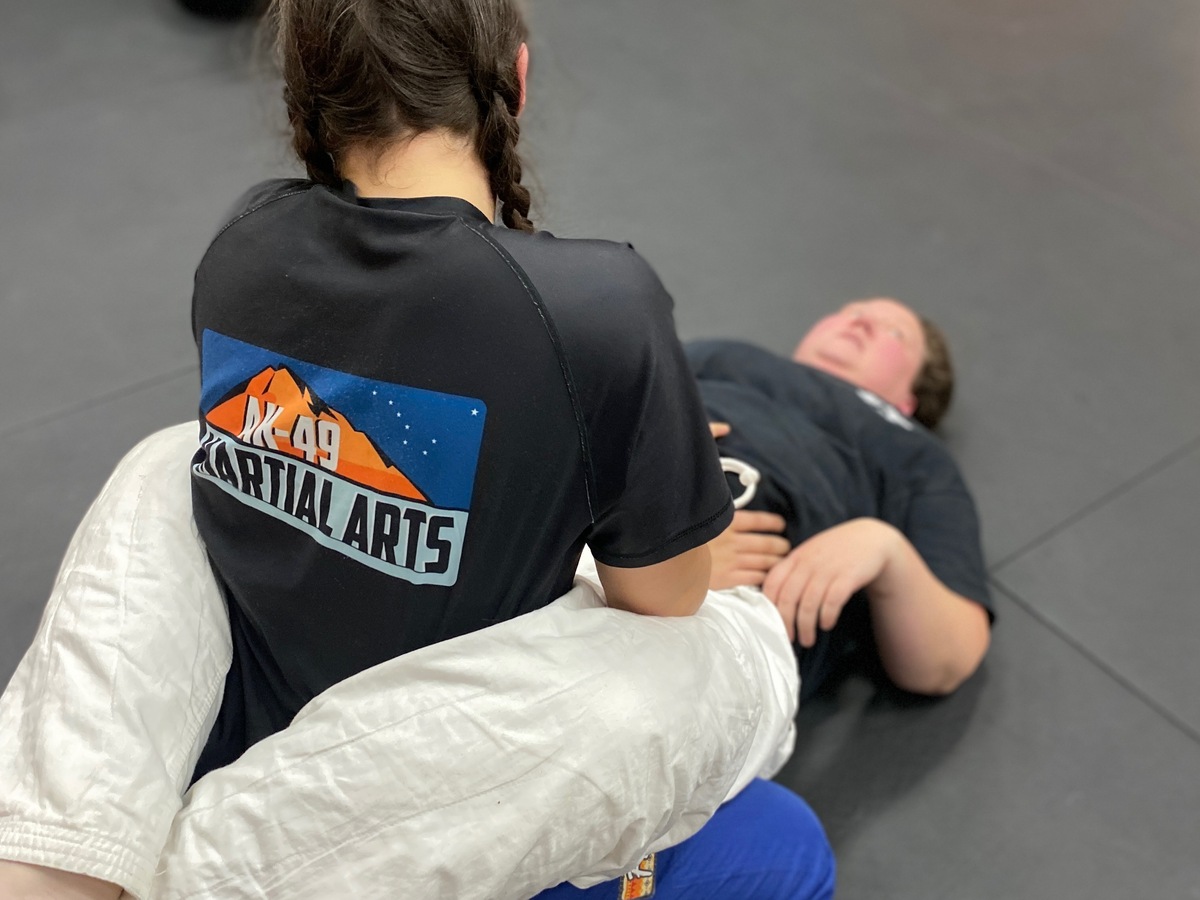
You want grips that slow things down. Grips on the jacket make it easier to hold a position and harder for your partner to slip away. That slower pace gives a new student more time to think, and it makes escapes harder, so your defense gets tested. Some people who are older or less athletic like the gi for the same reason. It also teaches you to deal with someone's clothes, which people wear in real life.
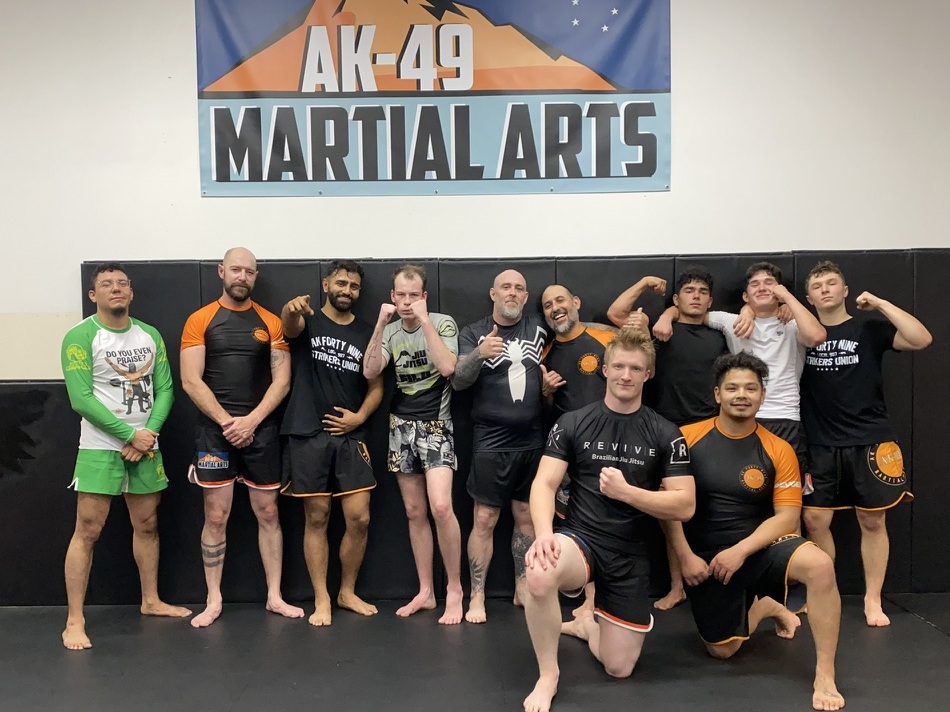
You like wrestling or a faster pace. No Gi moves quicker, and you can't sit on a grip and rest. If you wrestled in school, a lot of it will feel familiar. Our No Gi classes are a hybrid of Brazilian Jiu Jitsu and wrestling. Most people who stick with jiu jitsu end up training both, because each one fills gaps in the other.
Things to look out for
Expecting the same guard to work in both
You get comfortable with a guard that depends on sleeve and collar grips, then try it in No Gi. There's nothing to hold, so your partner walks right past your legs.
The fix: A different type of grip changes everything. In No Gi, hold wrists, the head and behind the knees, and keep your knees and feet between you and your partner. Guards like spider and lasso need sleeve grips and mostly stay in the gi, while butterfly guard and half guard carry over well because they use hooks and underhooks on the body instead of cloth. Ask your coach which ones to start with.
Holding on to grips in No Gi
You get a wrist and hang on to it like a sleeve grip while your partner sweats and twists free. You spend your energy squeezing and you're a step behind when it slips.
The fix: Expect to lose every grip and move from one to the next fast. Think about where your next grip is before this one comes loose.
Standing still to hold a position
In the gi you can pin someone with grips and wait. Do that in No Gi and your partner slides out, because there's no cloth keeping them there.
The fix: Keep your weight on them and keep adjusting as they move. Follow their hips with your body instead of trying to freeze them in place.
Wearing a loose shirt to No Gi
A baggy t shirt rides up over your head, gives your partner something to grab and gets caught on fingers and toes. It slows the drill down for both of you.
The fix: For your first class, a shirt that fits close is fine. If you already own a rash guard from training somewhere else, wear it.
Picking one before you try both
You read online that one is better and never try the other. You miss the one you might have liked more, and the habits from one don't get tested by the other.
The fix: Try a gi class and a No Gi class. Go with the one you enjoy most, and add the other later when you're ready.
Drills you can do at home
Drill 01
Grip and release
3 rounds of 1 minute with 1 minute rest. Hang a towel or old jacket over a door or bar. Grab it hard with both hands for 10 seconds, let go and shake out your hands, then grab again. This builds gi grip strength without wrecking your fingers. Stop if a finger joint hurts.
Drill 02
Hand fight shadow
3 rounds of 1 minute. Kneel facing a wall or a bag and practice No Gi grips: two hands on one wrist, then the back of the neck and an elbow, then behind a knee. Switch every few seconds, because No Gi grips slip and you move to the next one.
Drill 03
Shrimp and bridge
3 rounds of 1 minute with 1 minute rest. Alternate a bridge onto one shoulder with a shrimp to that side. These two movements work the same in the gi and in No Gi.
Frequently Asked Questions
Is gi or No Gi better for beginners?+
You can start with either one. The gi is slower and the grips help you hold on and learn control. No Gi is faster and leans more on movement and wrestling. For your first class, wear a shirt and shorts, and if it's a gi class we'll lend you a gi to wear. Most gyms use the same belt rank for both, and in No Gi you just don't wear the belt.
What do you wear for No Gi?+
Shorts with no pockets or zippers and a rash guard or fitted shirt. A regular shirt and shorts are fine for your first class. If you already have a rash guard from training somewhere else, wear it.
Can you grab clothes in No Gi?+
No. Grabbing the uniform is a foul in No Gi competition, so you grip the body instead: wrists, elbows, the head, knees and ankles. Those grips slip more, so you keep moving from one to the next.
Should I train both gi and No Gi?+
Most people who stay with jiu jitsu end up doing both. The gi teaches grip fighting and patience, and No Gi teaches you to move fast and hold people without cloth. Start with the one you like, then add the other.
Is No Gi the same as wrestling?+
No. No Gi still uses guards, sweeps and submissions from the ground, and you can fight off your back. It borrows a lot from wrestling for takedowns and holding people down. Our No Gi classes are a hybrid of Brazilian Jiu Jitsu and wrestling.
Are You Ready?