Why One Class Isn't Enough
Brazilian Jiu Jitsu | Self Defense
Why One Self Defense Class Isn't Enough
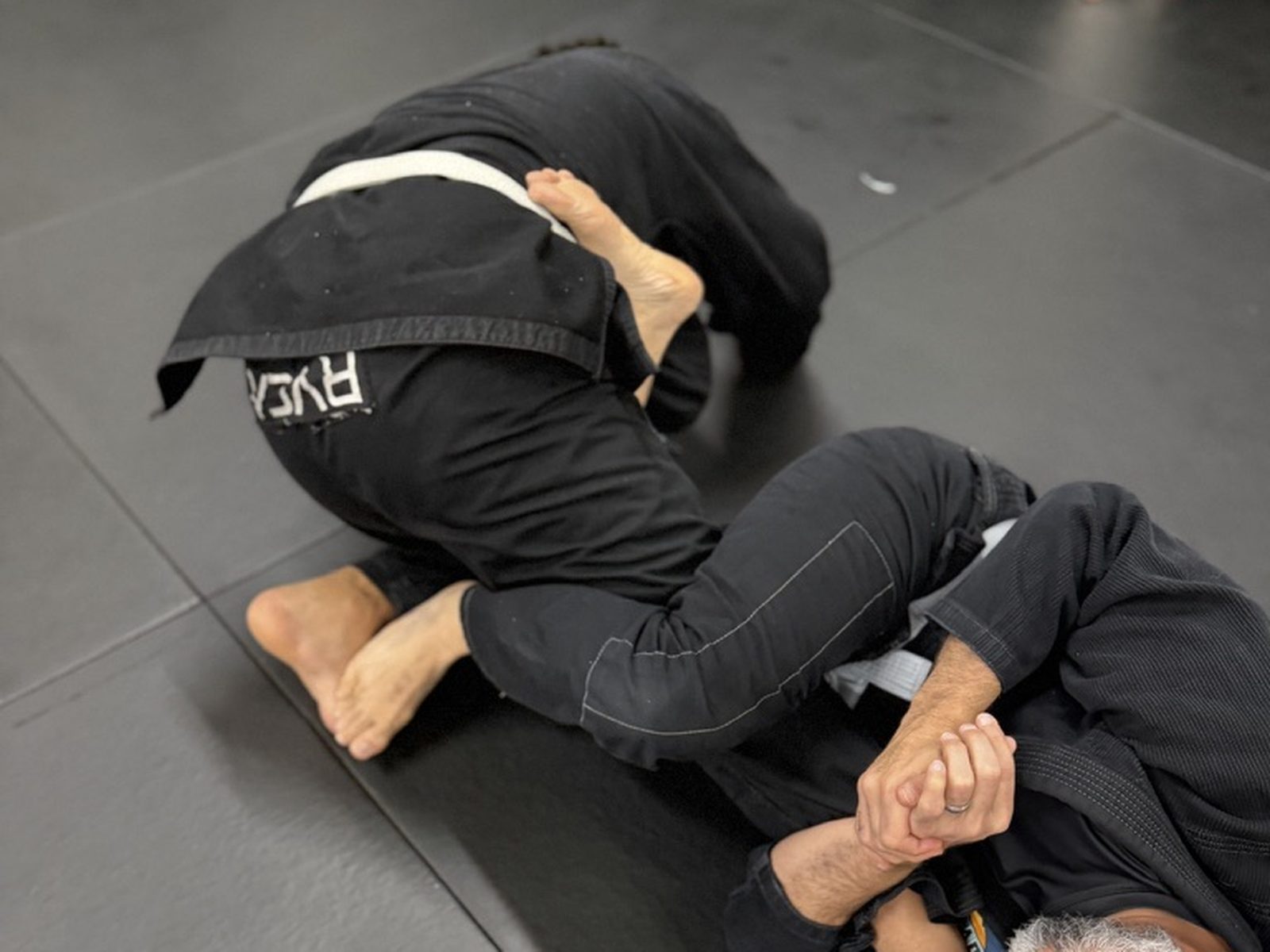
One class can show you an idea, but the escapes and holds in jiu jitsu only work under stress after many reps against a partner who's resisting. Under pressure, people fall back on what they've practiced the most, and a move you've done a handful of times won't be there. Some escapes take months to click, so real self defense comes from training regularly over time.
What real training looks like
- 01
Awareness first
Paying attention to your surroundings and staying out of bad situations comes first, and it needs no physical skill. Notice who's around, keep your phone away when you're walking alone and trust it when something feels off. If you can leave, leaving is the safest outcome. The point of an escape is to get up and get away, not to prove it works.
- 02
Learn it slow
You start by learning the move with a partner who lets you do it, at slow speed, while a coach fixes the details. This is where you figure out how it works and why. Adding pressure before you know the move just teaches you to muscle through it badly.
- 03
Add resistance a little at a time
Then your partner starts resisting, lightly at first. If you get out two or three times in a row, they turn it up, and if you can't get out at all, they ease off. If it works every single time, the resistance is too light.
- 04
Test it live
Live rounds put it together against someone really trying to stop you. That's where you find out what works for you, and where you get used to someone heavy on top of you so you can keep breathing and thinking. Tap early, tell your partner if something hurts, and let go the moment they tap. Sparring is optional at AK-49 Martial Arts, and you start when you're ready. For kids, coaches set the pace and pair them by size and skill.
- 05
Keep it fresh
Skills fade when you stop practicing them. A move you drilled for a month and then left alone for a year won't be there when you need it. Training regularly, week after week, is what keeps it sharp.

Why it takes time
Some moves take months. A mount escape can work almost effortlessly when it's done well and fail completely when it's done a little wrong. For a lot of people it takes weeks to months of failing at it before it clicks, so don't give up on a move in the first few weeks. Even at brown belt, people still pick up key details in the bridge and the shrimp.
Stress changes how you move. Under real stress your heart pounds and simple things get harder. People hold their breath, reach out with straight arms and forget most of what they were shown. Once it turns physical, knowing the escape is what you lean on, and courage alone isn't enough. A real fight also has things a mat doesn't, like concrete, strikes, weapons or more than one person, which is why getting up and getting away stays the goal. Time under pressure in class is what makes a heavy person on top of you feel familiar instead of frightening.
Things to look out for
Believing a one night course makes you ready
You take a seminar, learn a few moves and walk out feeling prepared. Under real stress those moves won't show up, and the false confidence can put you somewhere worse than if you'd just left.
The fix: Treat a single class as a first look. Real skill comes from regular training, and against someone athletic and powerful, one class won't prepare you.
Only practicing with a cooperating partner
Every rep works because your partner lets it. You never find out what happens when someone pushes back, moves away or switches what they're doing.
The fix: Once you know the move, ask your partner to add a little resistance and build from there. A move hasn't been tested until it works on someone trying to stop it, again and again, on different partners, bigger and smaller.
Going full speed on a move you just learned
You want to see if it works, so you go all out on something you learned ten minutes ago. You muscle it, do it wrong and never learn the details that make it work.
The fix: Learn it first, then add pressure. Slow, correct reps come before fast, hard ones.
Trying to learn too many moves
You collect a long list of techniques from videos and classes. Under pressure you hesitate, because you're trying to pick from too many options.
The fix: Get good at a few basics, like the bridge and roll to get someone off you, the shrimp to slide your hips away and make space, and the technical stand up to get back to your feet. A few moves you know cold are worth more than a long list you half know.
Giving up in the first few weeks
A move fails over and over, so you decide it doesn't work or that you're not cut out for this. Plenty of escapes fail for weeks before they click.
The fix: Keep drilling and ask your coach what you're missing. Some moves take months, and failing at them in class is part of learning them.
Frequently Asked Questions
Is a one day self defense class worth it?+
It can show you an idea and get you thinking about awareness. It won't prepare you against someone athletic and powerful. The skills only hold up after regular training against a partner who's resisting.
How many classes until I can defend myself?+
There's no honest number. It comes from training regularly until the moves happen without thinking, even under stress. Some escapes take months to click, and the basics keep getting better for years.
What's the most important part of self defense?+
Awareness. Paying attention to your surroundings and what you do and don't do to stay out of bad situations comes first. Physical skills matter once it turns physical, and those take training over time.
Why train against resistance?+
A move that works on a cooperating partner hasn't been tested yet. Resistance shows you what works and what doesn't, and it gets you used to the stress of someone pushing back. It's added a little at a time, so you learn the move before it gets hard.
How often should I train?+
For most beginners, two or three classes a week is a good place to start. Once a week still helps, just more slowly, because a week is a long time to hold on to a new move. What matters most is that you keep coming back.
Are You Ready?