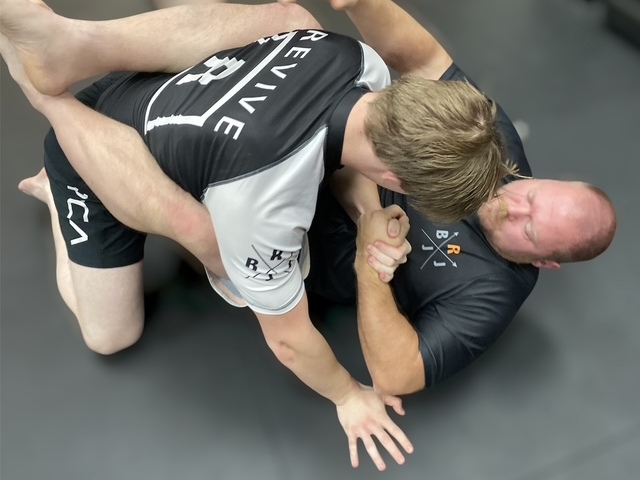
What a One Off Class Can't Do
Self Defense | If It Gets Physical
Do Self Defense Classes Work? What One Class Can and Can't Do
A single self defense class can teach you awareness habits and a simple plan: notice trouble early, leave, and get help. What it can't do is build physical skills that hold up when you're scared, surprised and up against someone athletic and powerful. Those come from training regularly, with partners, until the moves turn into habits.
What one class can give you
- 01
Awareness habits
Head up and phone away in parking lots, a loose idea of who's around you, and a sense of where you'd go for help. These are the parts of a short class that keep working after you leave, because you can practice them every day on your own. They also matter most, since noticing trouble early gives you the chance to avoid it.
- 02
A simple plan
Notice, leave, get help. Leaving is almost always the safest choice when someone is threatening, and a class can walk you through what that looks like: crossing the street, heading into an open business, calling 911. A plan you've thought through ahead of time is one you can run when you're scared, instead of making one up on the spot. If someone grabs you, the plan stays the same: make noise, break free and get to people, and if someone with a weapon wants your things, give them up.
- 03
Your voice
A good class gets you saying "Stop" out loud in a firm voice, often with your hands up in front of you, palms out, like a fence, while you keep some space and step back toward a way out. For a lot of people it's the first time they've said it like they mean it. Hearing yourself do it once makes it easier the next time. A good short class also shows you how to protect your head, make space with your arms and get up safely if you end up on the ground.
- 04
A first look at training
One class is a fine way to find out whether you like this kind of training. You can learn something useful in a few hours. What it's worth later depends on whether you keep practicing it, so treat it as your first class.
What it can't do
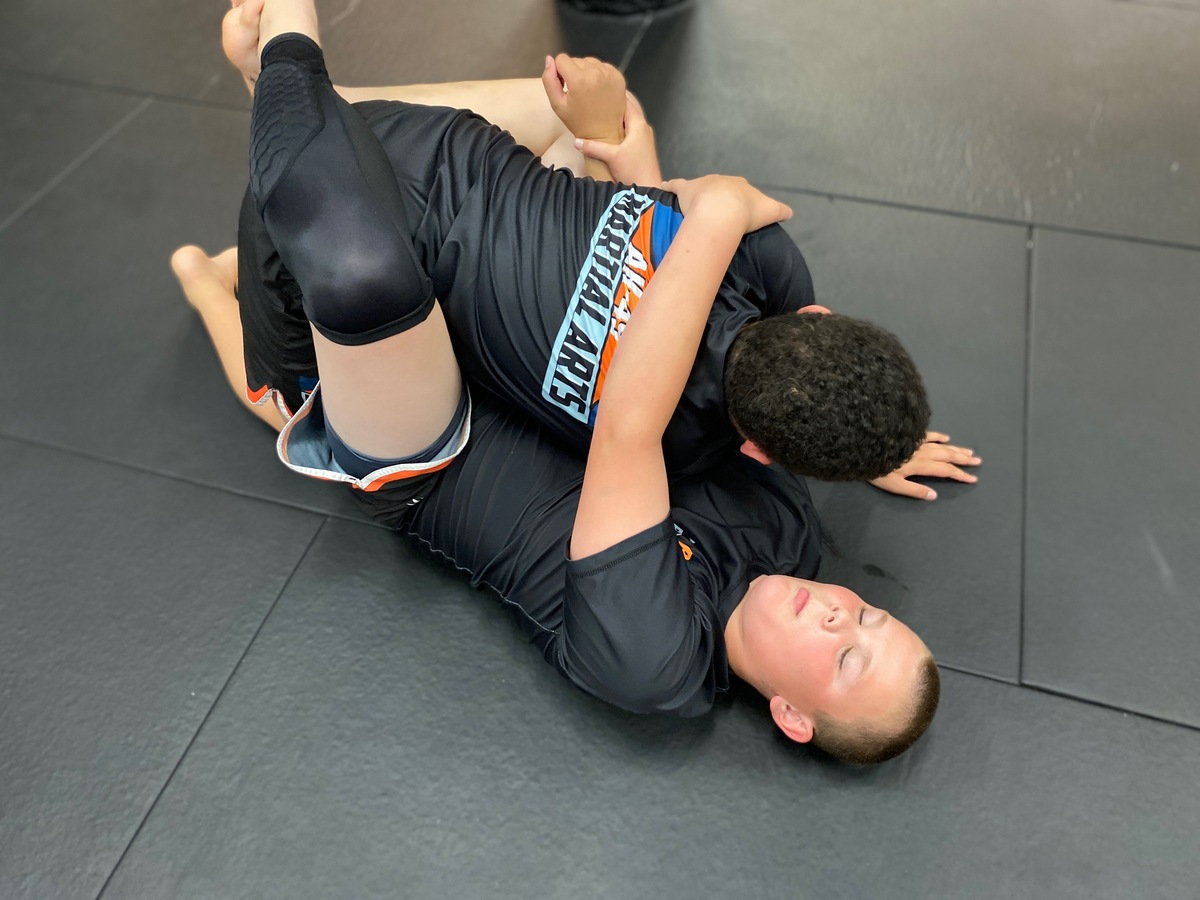
Make moves hold up under stress. A wrist release that worked in a calm room on a partner who let it work is a different thing when your heart is pounding and the other person is pulling hard. Under real stress your breathing speeds up, your muscles tighten and fine control gets worse. A review of research on stress and police performance found that skills tend to break down under high stress, and that good training over time can cut down how much. That research was on police officers, but the lesson is a useful guide for anyone. A few hours can't give you that.
Prepare you for someone athletic and powerful. Once it gets physical, size and strength count for a lot. Feeling where someone's weight is, controlling an arm, and getting back to your feet all take many reps against partners who really push back. Experienced coaches will tell you that kind of feel takes years of drilling. Regular classes start with basics like breaking a grip, framing with your arms to make space and getting back up off the ground, then add resistance over time. One class can show you the idea, and that's about where it stops.
Things to look out for
Leaving a seminar feeling ready
You learned five moves, did each one a few times on a partner who let it work, and walked out feeling set. That confidence can keep you standing in a spot you should have left.
The fix: Count what you learned as an idea you've seen. It takes regular practice to turn it into a skill. Keep leaving as your first plan. If you want physical skills, keep training.
Skipping the awareness part
The moves are the fun part, so the talk about awareness feels like the warm up. Most of what a short class can really give you lives in that part, and it's the part people forget first.
The fix: Write down the habits from the class that night. Pick one, like checking who's behind you when you turn a corner, and do it every day for a week.
Only practicing on a partner who lets it work
In a class everyone takes turns and lets the move happen. It feels like it works, but you haven't found out what happens when someone pushes back, pulls away or is stronger than you.
The fix: Learn a move slow first, then try it against a partner giving a little more resistance each time, at a pace you both agree on, with a coach watching. Tap early when you're caught, and stop the moment your partner taps or says stop. Research on police training under stress found people who practiced against live opponents tended to do better than people who practiced on targets that didn't fight back.
Not practicing afterward
You take the class, put the handout in a drawer and never touch it again. A few months later you remember there was a class and not much else.
The fix: Keep the awareness habits and the plan going on your own, and say your plan out loud once in a while. For physical skills, find a place to train regularly, even once or twice a week.
Picking a class that promises too much
A flyer says you'll be able to stop any attacker after one evening. Nobody can keep that promise, and believing it can put you in danger.
The fix: Look for honest teaching: awareness first, leaving first, and skills built over time. Ask how people practice there, and whether you get to try moves against a partner who resists at a safe pace.
Frequently Asked Questions
Do self defense classes work?+
A single class can teach awareness and a simple plan, and those help. Physical skills that hold up under stress take regular training. Under real stress your skills get worse, and only the ones you've drilled a lot hold up. So a class works as a start, as long as you don't treat it as the finish.
Is a one day self defense class worth it?+
It can be, for what it can actually do. You can come away noticing more, with a plan to leave and get help, and with a firmer voice. It won't prepare you to handle someone athletic and powerful once it's physical. Go in knowing that and you'll get the most out of it.
How many classes until I can defend myself?+
There's no honest number. It depends on how often you train, how hard your partners push, and who you'd be up against. What we can say is that it comes from training regularly and learning to stay calm under pressure. In the first few months many people start to feel calmer when someone grabs them and pick up a few basic escapes, and holding up against a bigger person who's really resisting takes much longer. Awareness and leaving early come first no matter how long you've trained.
What should I look for in a self defense class?+
Look for teaching that puts awareness and leaving first and doesn't promise you'll be ready after one night. Ask whether you'll get to try moves against a partner who resists, at a pace that's safe for a beginner. Ongoing training in Brazilian Jiu Jitsu, kickboxing or wrestling gives you that kind of practice every week.
Can I learn self defense at home?+
You can practice the awareness habits and your plan at home, and you should. Saying your plan out loud and practicing a firm "Stop" in a mirror both help. Physical skills are different, because they need a partner who moves and pushes back. That part has to happen on a mat with people.
Are You Ready?