Overhooks
Wrestling | Ties and Grips
How to Use an Overhook (Whizzer) in Wrestling
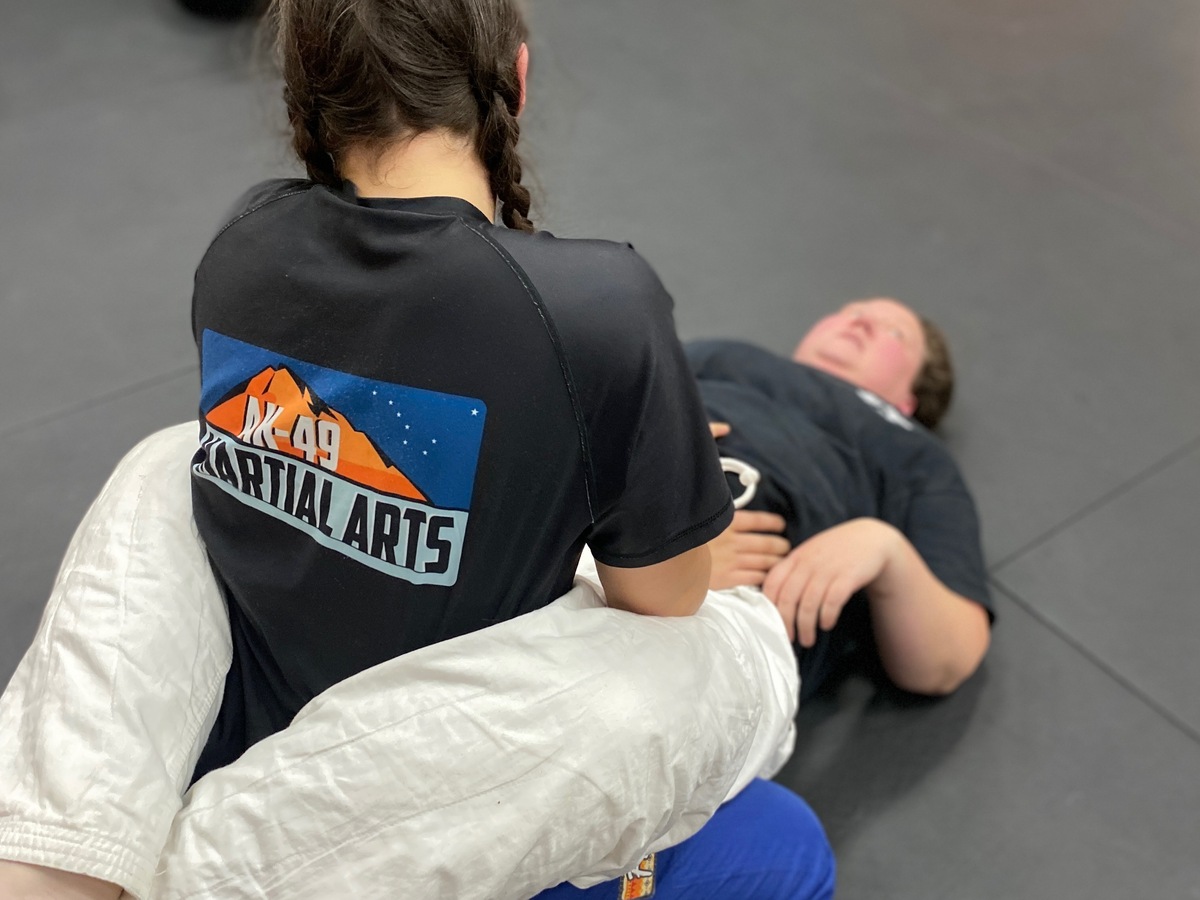
An overhook is your arm wrapped over the top of your partner's arm, usually over their underhook, clamped tight to your side. You use it to stop them getting around you, put your weight on them, and set up a snap down or a throw. Wrap it above their elbow, keep your elbow in, keep your head up and your feet under you, and swim back to an underhook when you get the chance.
- 01
Good athletic base
Feet about shoulder width, knees bent and your weight in the middle, with your head up. In a tie up your feet are what keep you standing when they push and pull. Keep your hips under you instead of bent over at the waist, so you feel heavy and balanced.
- 02
Hands up, elbows in
Start with your hands in front of you and your elbows close to your body. When they dig an underhook, that tight elbow is what clamps their arm. A loose elbow leaves a gap they can climb through.
- 03
Wrap above the elbow
Bring your arm over the top of their arm and hook it above their elbow, up near the armpit. Below the elbow you have almost no control and they slide right out. Your hand can clamp onto your own chest or their triceps, whichever feels tighter.
- 04
Clamp it to your side
Squeeze their arm against your ribs with your elbow tight to your side. There should be no space between your arm and your body. It should feel like their arm is stuck to you.
- 05
Keep your head up
Keep your head up and in good position next to theirs. If your head drops, they drive into you and your overhook turns into a weak arm hanging on their back. Head position comes first, the grip second.
- 06
Put weight on them
Do this in order. First, sink a little of your weight onto them through your chest on that side. Second, lift their trapped arm with your forearm up under their armpit, thumb coming toward your chest. Third, your free hand grabs their other wrist so it can't attack, or rests on their head to keep it from driving into you. The lift raises their shoulder and the weight makes them carry you, and together that takes the drive out of their underhook.
- 07
Swim back to the underhook
The overhook is mostly a reaction to their underhook, so don't live there. The moment to swim is when they relax their arm or reach with it. Turn your hips slightly toward that side, slide your overhook hand down and then in between their arm and their body, and bring your elbow up under their armpit so that arm is now an underhook. Keep your head tight next to theirs and your chest close as you swim, so they can't drive their head into you or take it right back.
When to use it
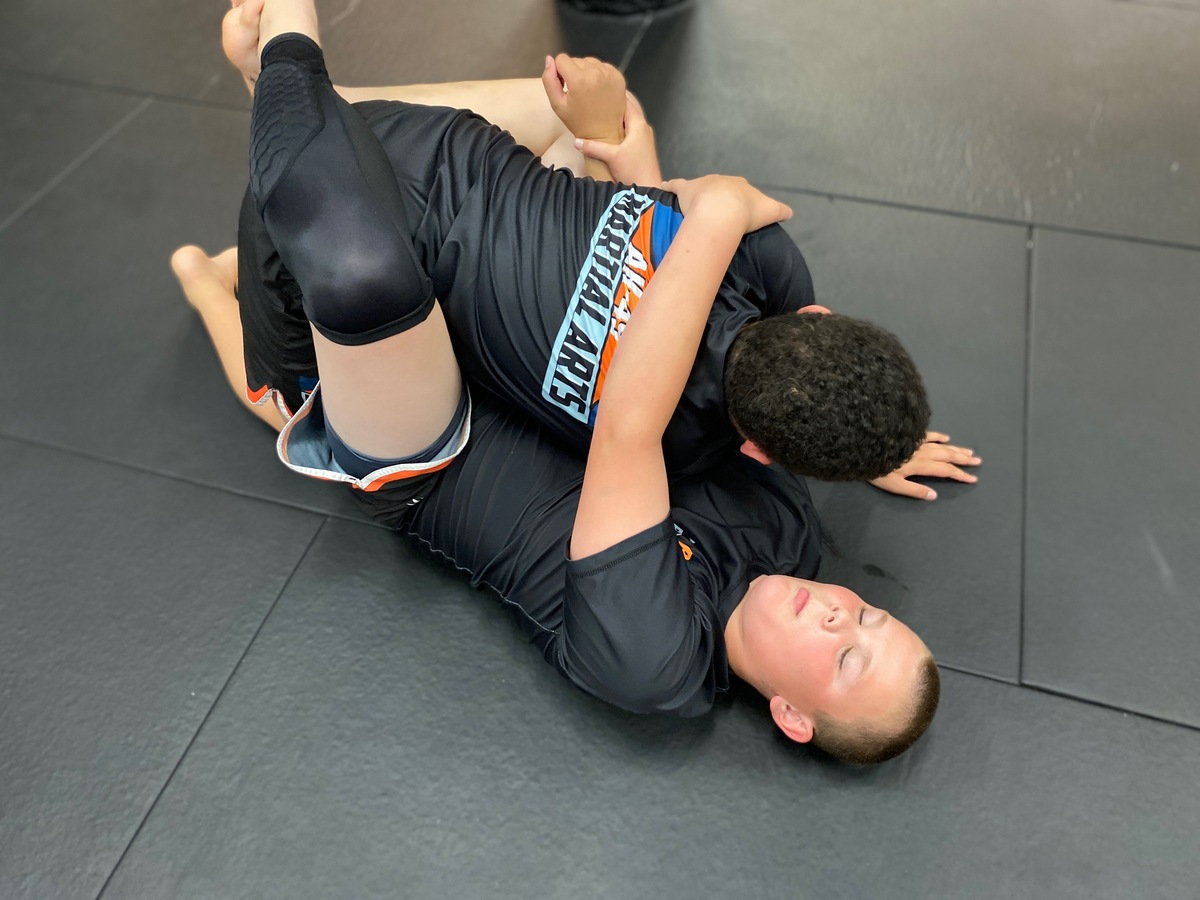
When they get an underhook. If your partner digs an underhook, wrap an overhook on that same arm. It stops them coming around to your back and lets you put your weight on them instead of carrying theirs. From there you can work to swim back inside or look for a snap down. This is the most common way beginners use it.
When they come in close. When someone crashes into you, hugs your body or gets in on your legs, the overhook gives you something to hold. Clamping it tight with your feet under you makes it hard for them to lift or finish. As they push forward into it, you can bring their head down with your free hand on the back of their head and circle to a front headlock. In practice, ease their head down instead of yanking it, and keep the pressure on the back of the head, never twisting the neck.
Things to look out for
Wrapping below the elbow
Your arm ends up around their forearm instead of up by the armpit. They pull the arm out easily and you have nothing to control them with.
The fix: Slide the overhook up above their elbow, as high as you can get it. Feel for their armpit against your forearm.
Leaving it loose
Your elbow floats away from your body and there's space between you. They lift your arm, come up under it and get to your legs or your back.
The fix: Clamp your elbow to your ribs and squeeze. Think elbow in, the same as in your stance.
Dropping your head
You look down or let your head sag while you hold the overhook. They drive into you, bend you over and your grip stops working.
The fix: Keep your eyes up and your head next to theirs. If they push your head down, fix your head before you do anything else.
Counting on the arm alone
You squeeze the overhook hard but your feet are wide or behind you. They get to your hips or trip your legs anyway, because the arm can't stop that by itself.
The fix: Keep your feet under you and your hips working with the overhook. The arm controls their shoulder, your stance does the rest.
Just hanging on
You get the overhook and stay there for the whole round. They keep their underhook and keep working while you wait.
The fix: Use it to put weight on them, then swim back to an underhook or go to an attack. Treat the overhook as a step toward something better.
Cranking their arm
You squeeze and twist the trapped arm hard to make something happen. That puts a lot of strain on your partner's elbow and shoulder, and in practice it's how people get hurt.
The fix: Squeeze to control, don't wrench, and never use the overhook to crank their head or neck. If your partner taps or says stop, let go right away.
Drills you can practice
Drill 01
Shadow pummeling
3 rounds of 2 minutes with 1 minute rest, in your stance. Picture a partner in front of you and swim one arm in to an underhook while the other arm wraps over as an overhook, then switch sides. Round one slow, checking that your elbows stay tight. Rounds two and three, a little faster with your head up and your feet moving. Once it feels smooth, pummel with a partner. Start cooperative, trading inside position back and forth at an easy pace. Then go to light resistance where one person tries to keep the underhook and the other works the overhook and swims back. Keep heads beside each other, not pushing into the face or neck, and stop if anything twists.
Drill 02
Overhook clamps
3 sets of 10 reps each side, 30 seconds rest between sets. Wrap an imaginary arm above the elbow, clamp your elbow to your ribs, then lift with your shoulder and bring your thumb toward your chest. Hold the lift for a two count and reset. Focus on the squeeze and the lift coming from your shoulder, not your hand.
Drill 03
Hips back and circle
3 sets of 10 reps. From your stance, drop your hips back and your front hand down as if they came in on your legs, then circle back up to your stance. Keep your head up the whole time. This builds the base that has to go with every overhook.
Frequently Asked Questions
What is an overhook?+
Your arm wrapped over the top of your partner's arm, usually over their underhook, clamped tight to your side. It controls their shoulder and lets you put weight on them. You'll use it standing and on the ground.
Is an overhook the same as a whizzer?+
A whizzer is an overhook used to defend a shot, mostly a single leg. Same grip, different moment. Every whizzer is an overhook, but you'll use the overhook in plenty of tie ups where nobody has your leg. As a whizzer, the clamp is the same but the job changes: you drop your hip down into them and kick the trapped leg back behind you, which is a different motion from the standing tie up. The whizzer page covers that in full.
Is an overhook or an underhook better?+
Most coaches rank the underhook higher, because it gets you closer to their body and their back. The overhook is usually what you take when they've already won the underhook. Use it to stay safe, then work back to your own underhook.
What do I do after I get the overhook?+
Put your weight on them and get your other hand on their wrist or head. When they relax, swim back to an underhook. If they keep driving forward into you, snapping their head down is often there. As you get more comfortable, the overhook also sets up arm drags and throws, and your coach will add those once your base and grip are solid.
Can an overhook hurt my partner?+
It can if you crank it. Squeezing their arm and twisting puts strain on the elbow and shoulder. In practice, squeeze to control, go easy with the throws you learn from it, and let go the moment they tap.
Are You Ready?