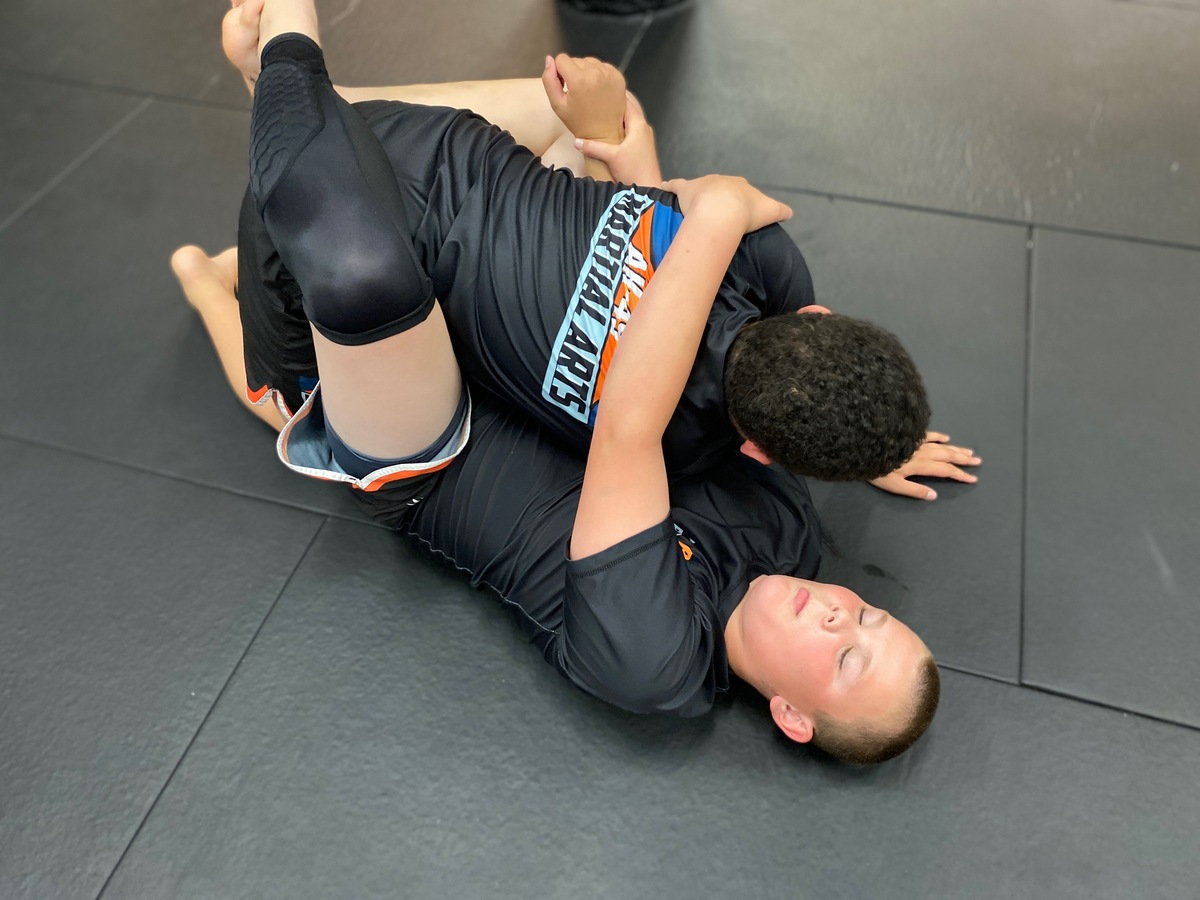
Wrestling for Self Defense
Wrestling | Questions
Is Wrestling Good for Self Defense
Wrestling teaches balance, how to stay on your feet, how to get back up and how to control someone up close, and all of that carries over to self defense. Real self defense starts with awareness and getting away, and the physical side comes from training regularly, not from one class. Wrestling is one useful piece, and it works best alongside striking awareness and jiu jitsu.
What wrestling teaches you
- 01
Staying on your feet
Your stance, a down block hand and the sprawl all help you keep your feet when someone grabs at your legs. Your stance keeps your knees bent and your weight balanced. A down block is a low hand in front of your lead leg that meets their shoulder before they reach your legs. If they still get in, the sprawl drops your hips down onto their back while your legs shoot back, so they end up carrying your weight. On a hard floor, staying standing matters even more, because going down on concrete hurts in a way a mat doesn't.
- 02
Getting back up
If you end up down, getting back to your feet is often the top priority. Sit up on one hip, post that hand behind you, plant the opposite foot, lift your hips and swing your other leg back under you, then stand up stepping back and away, with your free hand up to protect your face and your eyes on them the whole time. If you lean back with your chest facing the ceiling, you have no base and are easy to push back down. Wrestlers and grapplers drill this until it's automatic.
- 03
Balance over power
Defending a grab at your legs comes down to balance and technique more than power. Keeping your head up, your hips back and your free leg under you, and wrapping your arm over the top of the arm that's grabbing you and clamping it to your side, called an overhook, are what stop a bigger person from tackling you. The overhook puts your weight on their shoulder so they carry you instead of driving through. Wrestling teaches all of that against people who are really trying.
- 04
Control up close
Control of the wrist and elbow usually beats raw power up close. An underhook, your arm under their armpit with your hand on their back, lets you steer their body. A collar tie, your hand on the back of their neck, lets you control their head and posture. Two hands on one of their wrists takes that arm away. Each one keeps them from swinging freely and helps you create space to leave. It takes a lot of reps against a resisting partner before it feels natural.
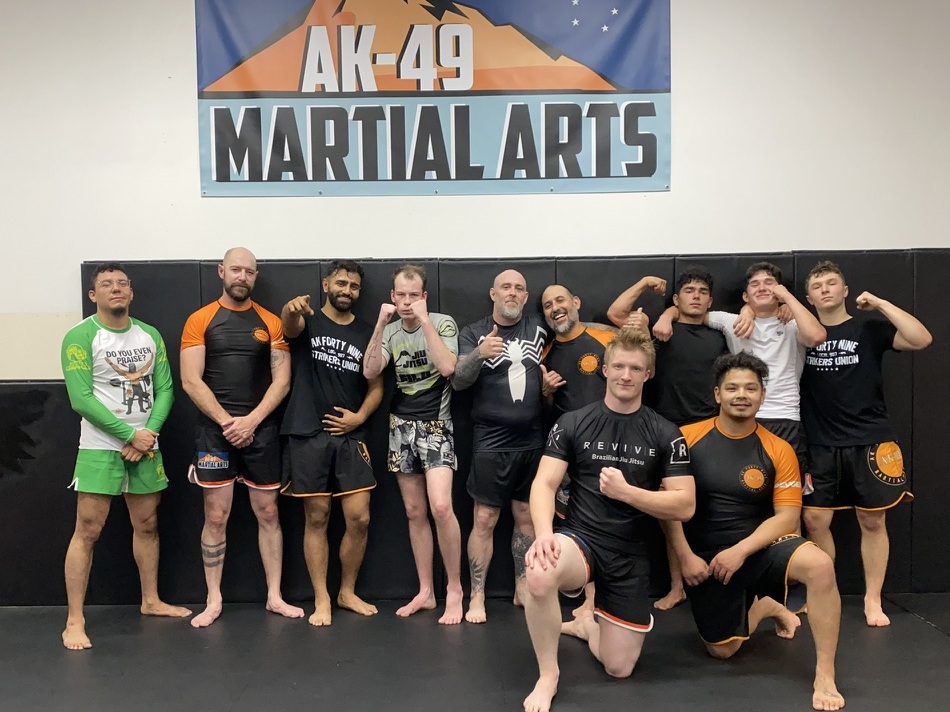
What real self defense takes
Awareness comes first. Real self defense is knowing your surroundings and what you do and don't do to stay out of bad situations, until it turns physical. Even then, the goal is to get away safely, not to win a wrestling match. Out in the world there are no rules: people punch, there may be more than one of them, they may have a weapon, and the ground is hard. Wrestling skills help you stay up and create space so you can leave.
Training over time. Once it's physical, one class won't prepare you for someone athletic and strong. Real skill comes from training regularly and staying calm under pressure. In class you build it safely: drilling with control first, then light resistance, tapping early when anything gets caught, and letting go the moment a partner taps.
Frequently Asked Questions
Is wrestling good for self defense?+
It helps. It teaches balance, staying on your feet, getting back up and controlling someone up close. Those skills come from training regularly, and they work best combined with awareness, getting away and some striking defense.
Can one self defense class prepare me?+
No. One class won't prepare you against someone athletic and strong. Real self defense comes from steady training, where you practice against people who resist, week after week.
Where does self defense start?+
With awareness of your surroundings and staying out of bad situations. If it does turn physical, the aim is to stay on your feet, make space and get away.
Are You Ready?